IMPLICATOR
San Francisco | Monday, May 18, 2026
OpenAI has stopped pretending Codex is a side room. Greg Brockman now owns product strategy, ChatGPT, Codex and the API sit inside one core team, and the mobile app turns coding agents into something managers can approve from a phone.
That is the real fight under the org chart: who controls the work surface when agents leave the chat box. Google gets its own proof point as Gemini edges Claude in our meter, helped by Anthropic's increasingly exact billing and increasingly blurry limits.
The practical answer is smaller. If you are installing Pi, start with one provider, one clean repo and one boring diff. The fancy part comes later.
Stay curious,
Marcus Schuler
Know someone drowning in AI noise? Forward this briefing. They can subscribe free here.
OpenAI Gives Greg Brockman Product Control as Codex Moves Inside ChatGPT
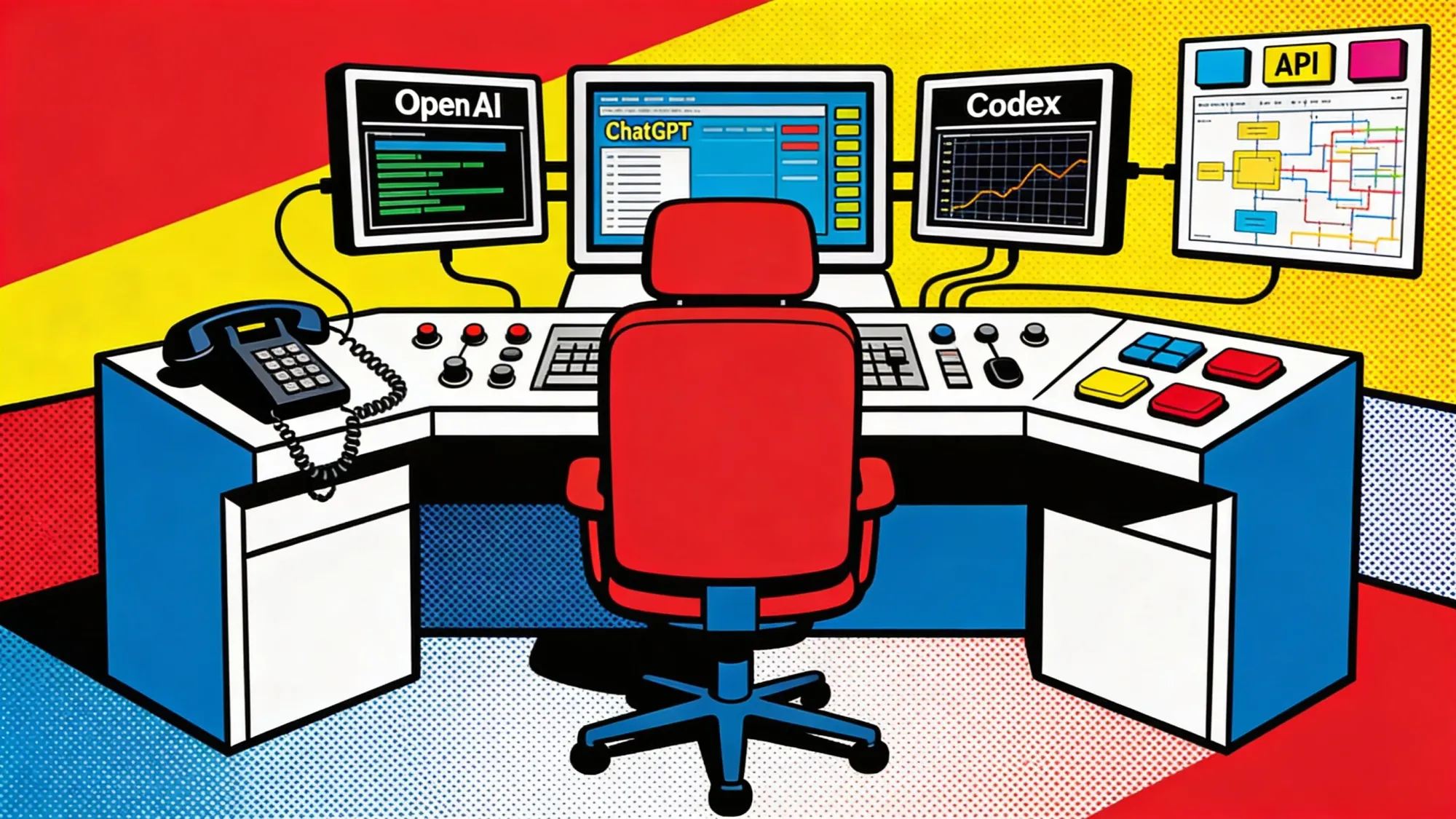
OpenAI made Greg Brockman's product role official and put Codex closer to the center of the company. The change makes a coding agent a product architecture decision, not a developer feature.
WIRED reported that Brockman now leads product strategy while keeping infrastructure responsibilities. OpenAI is folding ChatGPT, Codex and the developer API into one core product team, with Codex leader Thibault Sottiaux taking core product and platform. The move follows earlier signals that OpenAI was folding ChatGPT, Codex and Atlas into a desktop superapp and that Codex had already absorbed science workspace work after April leadership departures.
The operating detail is mobile. OpenAI says more than 4 million people use Codex weekly, and the ChatGPT mobile app now lets users review outputs, approve commands and redirect work while sessions keep running elsewhere. ChatGPT's reported 900 million weekly users give OpenAI a much larger surface to test that control pattern.
Why This Matters:
- Enterprise buyers are no longer comparing chatbots. They are comparing who controls approvals, identity, code changes and deployment work.
- Codex now has to serve developers, consumers and enterprise administrators without turning one product surface into three separate compromises.
Reality Check
What's confirmed: Brockman officially leads product strategy, and OpenAI is combining ChatGPT, Codex and the API into one core product team.
What's implied (not proven): Codex becomes the shared control layer for consumer, developer and enterprise work.
What could go wrong: A unified agent surface may satisfy neither developers who want power nor admins who want limits.
What to watch next: OpenAI's next Codex pricing and Enterprise admin controls will show where the product really points.
The One Number
719% - CXMT's year-over-year Q1 revenue jump, according to Chinese listing documents cited by regional media. China's top DRAM maker reported 50.8 billion yuan in quarterly revenue as memory prices and domestic AI demand turned export controls into a local supply-chain accelerant.
Source: Economic Times, May 18, 2026
Gemini Passes Claude 88 to 87 as Anthropic Pricing Limits Drag Score
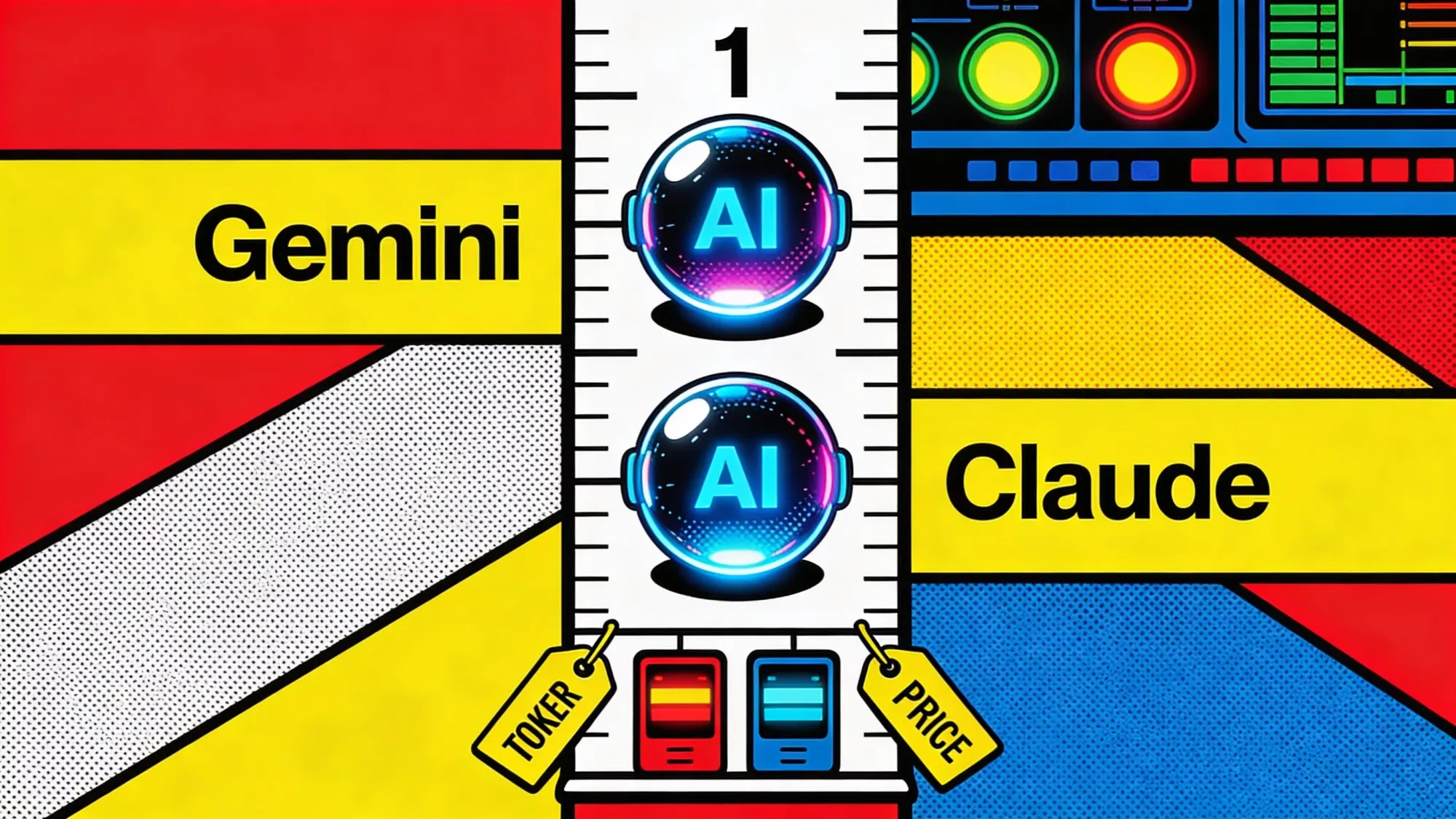
Gemini passed Claude in Implicator's LLM Popularity Meter for the first time. The margin was one point, but the reason was pricing trust rather than model theater.
The May 17 scorecard put Gemini at 88 and Claude at 87. Claude lost two points after Anthropic said programmatic Claude usage will move to a separate metered credit pool on June 15: $20 for Pro, $100 for Max 5x and $200 for Max 20x. Our May 14 analysis also found that Anthropic publishes per-token API rates but not the token size of any subscription allowance.
Anthropic still had a strong week, with PwC, SAP and a $200 million Gates Foundation partnership. It was not enough to beat Gemini's Snowflake and Mars enterprise distribution narrative before Google I/O on Tuesday.
Why This Matters:
- Buyers can forgive higher prices faster than unclear limits, especially when agent workloads burn tokens outside normal chat patterns.
- Google's next Gemini release gets a cleaner enterprise backdrop if Claude's developer pricing story stays unsettled.

AI Image of the Day

Prompt: a real baby deer being gently held by human hands, a young girl with long blonde hair style natural and down, soft white angel wings attached to the deer's back, pastel lace fabric background, 90s flash photography, slight blur, dreamy surreal realism, gentle and uncanny mood, no text, no watermark --ar 9:16 --profile bsuiuzm --hd --v 8.1
Pi Coding Agent Setup Guide Shows Developers How to Start With One Safe Diff
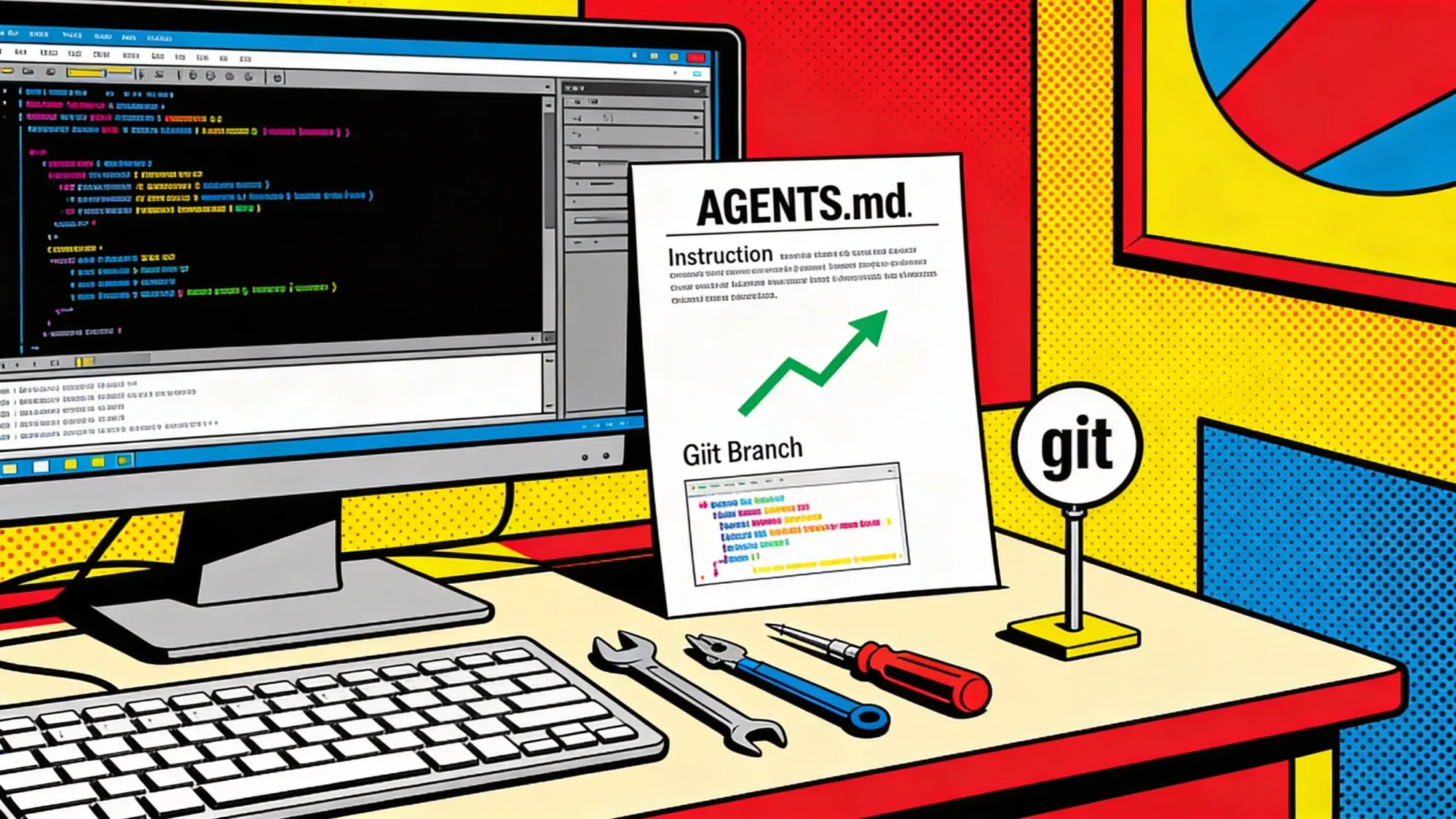
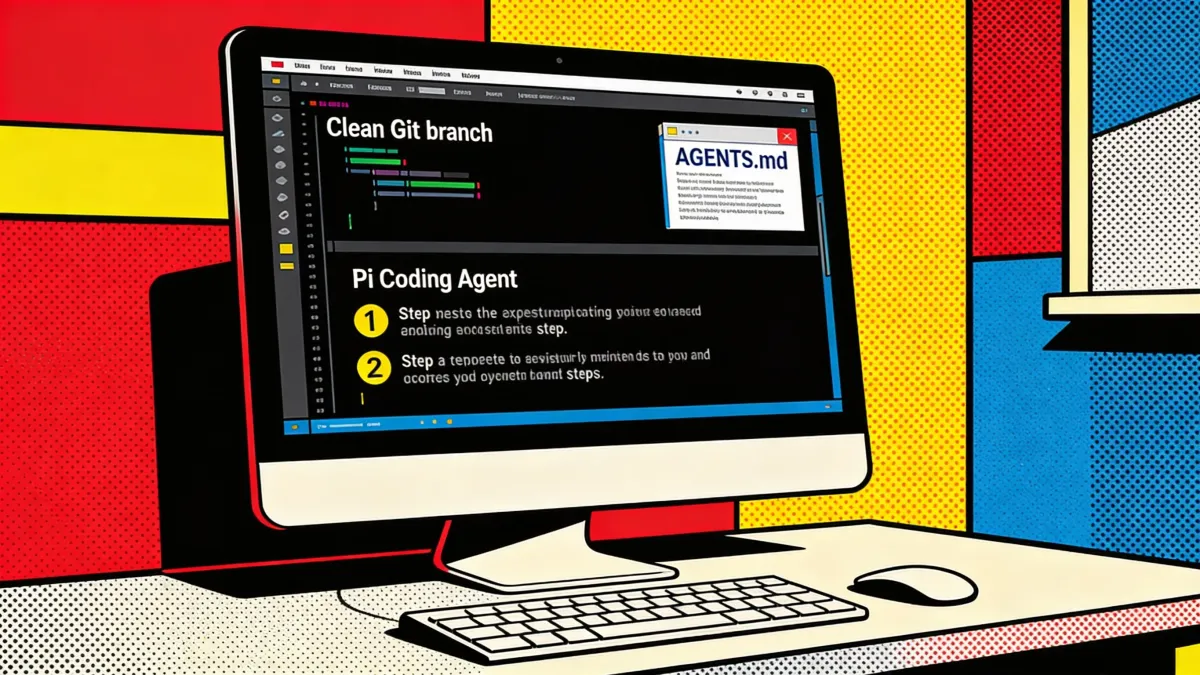
Pi Coding Agent is a terminal harness with enough power to touch real code. The safe first setup is boring on purpose.
Our setup guide starts with the official @earendil-works/pi-coding-agent npm package, a current Node runtime, one authenticated provider and a repository-level AGENTS.md file. The workflow then forces a read-only smoke test before any edit tools are allowed. Only after that does the user make one reversible change and inspect the diff.
That order matters because Pi's extension system can add MCP, packages, skills and custom tools. The broader market angle is the same one we covered in Pi Is Not a Claude Code Rival: smaller agent harnesses are becoming programmable control surfaces around models.
Why This Matters:
- Coding agents fail less often when the repo contract, test command and secret boundaries are explicit before the first patch.
- MCP and package systems are powerful only after a developer knows which binary, provider and project rules are actually active.
🧰 AI Toolbox
How to Give Your Coding Agent a Local Code Search Layer with Semble
Semble is an open-source code search library and MCP server for coding agents. Instead of letting Claude Code, Cursor, Codex or OpenCode grep a repo and read whole files, Semble indexes the code locally and returns relevant snippets. MinishLab says its benchmark across roughly 1,250 query-document pairs, 63 repos and 19 languages used 98% fewer tokens than grep-plus-read while reaching 99% of the retrieval quality of a 137M-parameter code transformer. It runs on CPU and needs no API key.
Tutorial:
- Open the Semble docs at minish.ai/packages/semble/introduction or the GitHub repo at github.com/MinishLab/semble
- Install
uvif you do not already use it for Python tools - Add Semble to Claude Code with:
claude mcp add semble -s user -- uvx --from "semble[mcp]" semble - Start a coding session inside a real repo and ask: "Where do we validate OAuth tokens?"
- Check that the agent receives specific files and line ranges instead of reading every matching file in full
- Repeat the same lookup with normal grep/read behavior and compare token use, latency and answer quality
- Add a project rule: use Semble for code search before reading whole files
URL: github.com/MinishLab/semble
What To Watch Next
|
||
|
||
|
💡 5-Minute Skill: Turn an AI Event Calendar Into Three Meetings That Might Actually Matter
Your calendar has Google I/O, NVIDIA-adjacent meetups, a Sierra healthcare event, a WorkOS showcase and three mixers with names that sound like energy drinks. You do not need more events. You need a reason to leave the house.
Your raw input:
Goal: meet operators building real AI workflows, not collect swag. Options: WorkOS showcase, Arm/NVIDIA meetup, Google Cloud and NVIDIA meetup, Sierra healthcare AI event, hiring dinner. Constraints: two evenings max, one outreach message before each event, no vague networking.
The prompt:
Act like a ruthless conference chief of staff. Pick the three highest-value meetings. For each, give me why it is worth attending, who to find, the one question to ask, what to skip, and a 60-word outreach note. Penalize generic founder networking.
What you get back:
WorkOS Applied AI Showcase: find a product or security lead and ask where the agent stops for human approval. Sierra healthcare event: ask which task still cannot be automated safely. Google Cloud and NVIDIA meetup: ask which customer workload justified dedicated accelerators. Skip partner-logo slides.
Why this works
Most event plans optimize for attendance. This prompt optimizes for extraction: rank by learning value, name the person to find, and write the first message before you are standing by the snack table pretending to read your phone.
What to use
ChatGPT: fast prioritization and outreach copy. Claude: better if you paste a long agenda with speaker bios. Gemini: useful when the event list is public and needs web context.
📖 AI Alphabet
|
G
|
📖 AI Alphabet Generative AI Generative AI refers to systems that create new content, such as text, images, audio or code. Instead of only analyzing data, these models produce something new from patterns they learned. |
AI & Tech News
Anthropic Briefs FSB on Mythos Findings for Financial System Risk
Anthropic agreed to brief the Financial Stability Board on systemic vulnerabilities identified by its Mythos research group. The request moves frontier-model risk assessment into the same room as bank regulators, not only AI policy officials.
Pwn2Own Berlin Pays $1.3M for 47 Bugs, Including AI Dev Tools
Security researchers earned about $1.3 million at Pwn2Own Berlin for 47 previously unknown vulnerabilities. Targets included AI development tools such as GitHub's Codex, Cursor and LM Studio, which puts agent tooling directly into the exploit market.
OpenAI and Anthropic Capture 89% of $80B AI Startup Revenue
The Information reported that 34 leading AI startups now generate about $80 billion in annualized revenue, up 112% in six months. OpenAI and Anthropic captured 89% of that total, so the startup category is growing and concentrating at the same time.
CXMT Logs 1,688% Profit Surge as China Memory Demand Tightens
Nikkei reported that CXMT's Q1 net profit surged 1,688%, while revenue rose 719% to $7.5 billion. Omdia now puts the Chinese DRAM maker at 7.67% global share, making memory the next export-control pressure point.
Apple Turns Binned Chips Into $599 MacBook Neo Margin Story
The Wall Street Journal reported that Apple is putting binned processors into lower-cost devices including the $599 MacBook Neo. Demand for that product has reportedly pushed new A18 Pro orders, turning imperfect chips into a cleaner margin and supply-chain story.
Regulators Press Kalshi and Polymarket Over Iran and Venezuela Bets
U.S. authorities sent information requests to Kalshi and Polymarket about contracts tied to political and military events in Iran and Venezuela, the Wall Street Journal reported. The probe tests whether event markets can stay in finance when their contracts start resembling geopolitical wagering.
Monaco Raises $50M to Automate Core Sales Work
Monaco raised a Benchmark-led $50 million Series B, bringing total funding to $85 million after its February Series A. The company is building AI software for core sales functions, a category investors still like despite crowded CRM copilots.
Ciridae Raises $20M for AI Back Office in Real-Economy Firms
Ciridae raised a Accel-led $20 million seed round with participation from Andreessen Horowitz. The startup targets manufacturers, retailers and logistics firms that still run back-office work through manual processes rather than software-native operations.
Peter G. Neumann Dies at 93 After Decades Warning About Security Complacency
Peter G. Neumann, a pioneering computer-security researcher, died May 17 at 93, the New York Times reported. His long critique of weak privacy and security practices lands differently as AI agents connect to codebases, terminals and business systems.
WIRED Documents the Domestic Cost of AI Boom Work Culture
WIRED interviewed spouses of AI workers who described emotional strain and resentment around the industry's work intensity. The piece gives the AI boom a home-life ledger, where equity upside does not always offset permanent urgency.
🚀 AI Profiles: The Companies Defining Tomorrow
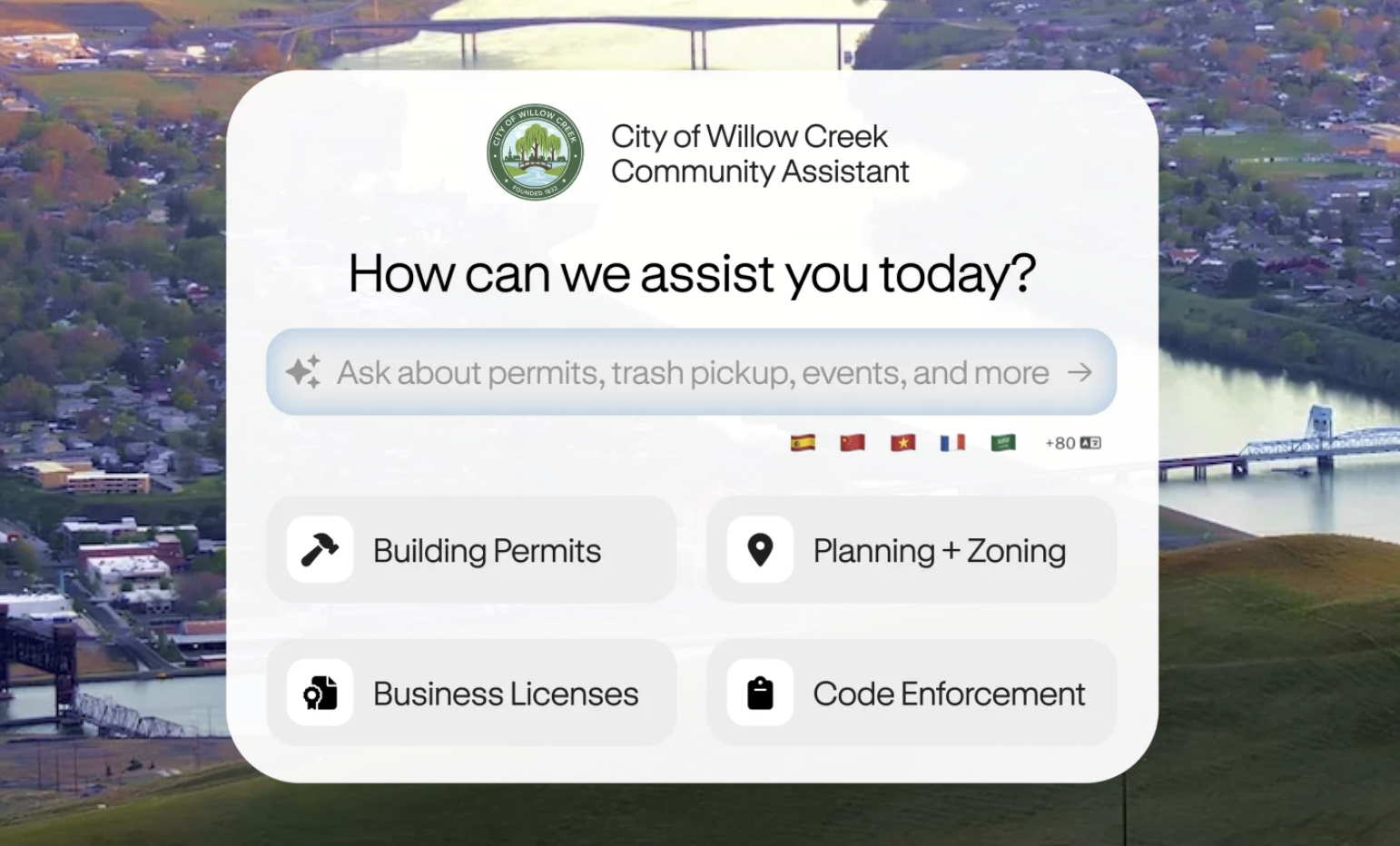
GovWell is trying to make city hall behave less like a PDF maze. The New York startup raised $25 million to expand an AI operating system for local governments, starting with permitting, licensing, planning, zoning and code enforcement. 🏛️
Founders
Founded in 2023 by Troy LeCaire and Ben Cohen. LeCaire worked around public-sector operations and frames the company as a fix for the software handed to public servants. Cohen, CTO and co-founder, built from the contractor side of the problem: permits, inspections and municipal workflows that stall ordinary construction work for weeks.
Product
GovWell replaces legacy permitting and licensing systems with a workflow platform for municipalities and counties. Residents and businesses get a 24/7 AI Community Assistant and an application portal that catches missing information before submission. Staff get AutoCheck, which reviews permit applications against local requirements, plus tools for inspections, fee collection, notices and reporting.
Competition
The legacy field is crowded and sticky: Tyler Technologies, Accela, OpenGov, Granicus, ClearGov and department-specific tools already sit inside local agencies. GovWell's wedge is speed and AI-native review, not another civic dashboard. The harder opponent is procurement inertia, because local governments do not rip out operating systems casually.
Financing 💰
$25 million Series A led by Insight Partners, with Work-Bench and Bienville Capital participating. GovTech operators David Reeves, Andreas Huber and Chris Bullock also invested. GovWell says it now serves more than 130 municipalities and counties across 34 states, has total funding of $34.5 million, and customers report permit and license processing-time reductions of up to 95%. Source: PRNewswire, May 14, 2026.
Future ⭐⭐⭐
GovWell has the right wedge because permitting is where government delay becomes visible to voters, builders and small businesses. The risk is that every municipality is its own snowflake of codes, politics and procurement rules. If GovWell can standardize enough of that mess without flattening local rules, it becomes one of the more useful AI companies in civic tech. If not, it becomes a very good demo waiting for the next council meeting. 🧰
🤨 Yeah, But...
Cisco reported record fiscal Q3 revenue of $15.8 billion, up 12% year over year, then told employees it would cut fewer than 4,000 jobs, less than 5% of its workforce, to redirect investment toward AI, security, silicon and optics. The company said affected workers would receive support including one year of Cisco U access.
(TechCrunch, May 14, 2026)
Our take: Corporate logic has a way of sounding clean while making everyone in the room feel insane. The business did well, the business must become different. The people helped create the result, therefore some of the people no longer match the next slide. AI turns that sentence from brutal into strategic. Nobody has to say demand is weak. Nobody has to say the workers failed. Capital is merely being reallocated to silicon, optics, security and internal AI adoption, which sounds less like a layoff than a deck being tidied. The training portal on the way out gives the whole thing its final polish.
Free AI briefing · Weekdays
The AI stories that matter, sourced and explained.
Join the Morning Briefing. It goes out every weekday at 4:45 a.m. Pacific, with later sends for the East Coast, Berlin and Tokyo.
Free when you sign up: The Paperclip Compendium, our tested guide to running AI agents.
Free. Unsubscribe in one click.

Marcus Schuler
Editor-in-Chief and founder of Implicator.ai. Former ARD correspondent and senior broadcast journalist with 10+ years covering tech. Writes daily briefings on policy and market developments. Based in San Francisco. E-mail: editor@implicator.ai