IMPLICATOR
San Francisco | Tuesday, April 28, 2026
Beijing's order arrived Sunday. By Monday, Meta was preparing to unwind a $2.5 billion deal it had already closed, integrated four months ago and waved through a Singapore parent the regulator no longer recognizes. The deadline runs in weeks. Capital is flowing back to investors. Manus's founders remain in China. The Singapore-redomiciliation route American buyers had been using on Chinese AI startups is, by today's evidence, closed.
In Oakland, Judge Yvonne Gonzalez Rogers seated nine jurors in Musk v. Altman. Opening arguments start today. Any damages flow to the charity, not to Musk.
In Germany, HybridClaw pitches encrypted credentials and audit logs against Hermes and 120,000 GitHub stars. The boring version of the agent stack.
Stay curious,
Marcus Schuler
Know someone drowning in AI noise? Forward this briefing. They can subscribe free here.
Meta Begins Unwinding $2.5 Billion Manus Deal as Beijing Sets Weeks-Long Deadline
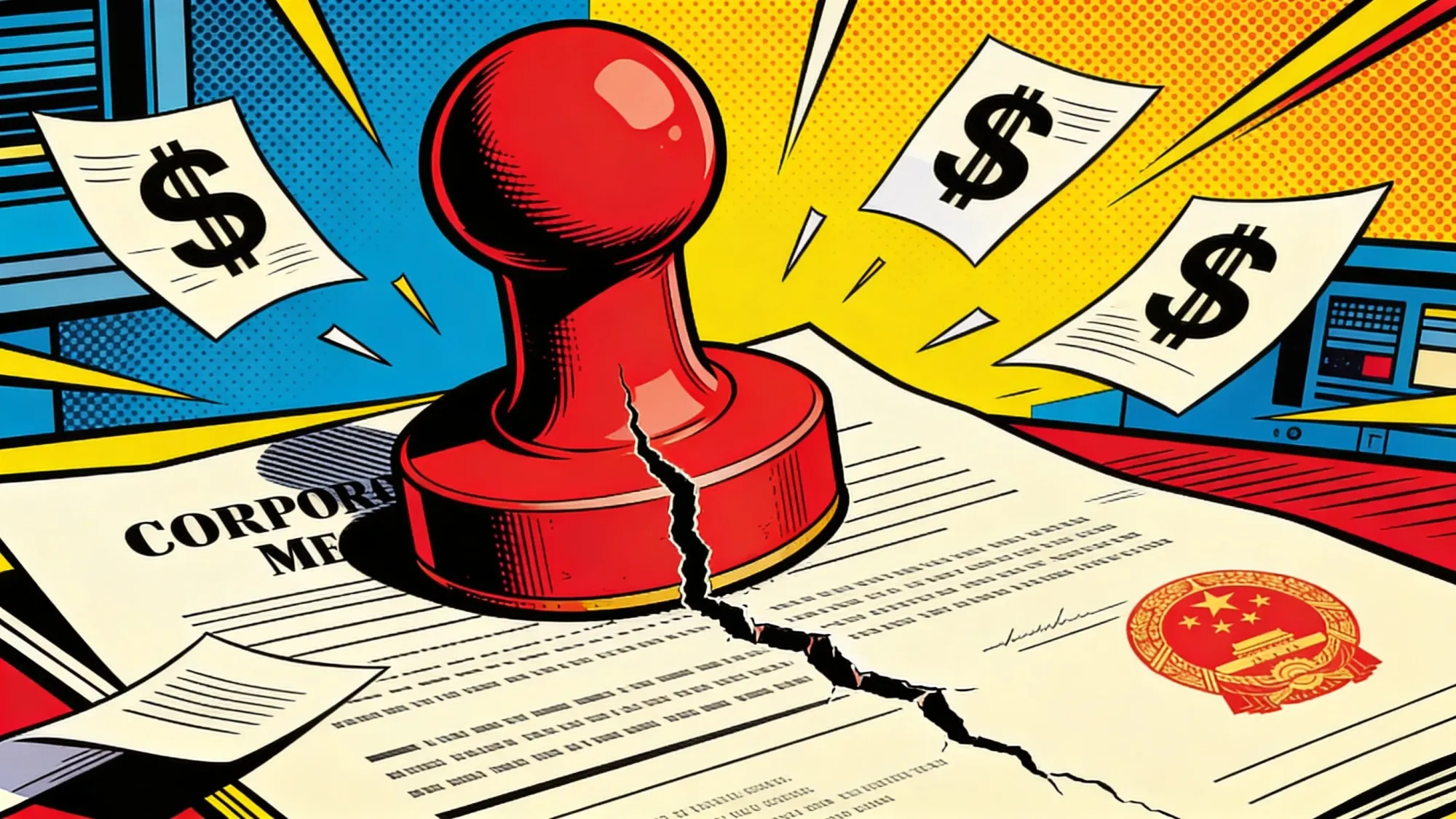
Beijing's order arrived Sunday. By Monday, Meta was already pulling apart what it bought.
The Wall Street Journal reported Monday that Meta has begun internal preparations to unwind its $2.5 billion December acquisition of Manus, days after China's National Development and Reform Commission blocked the deal on national security grounds. Beijing has given the parties a preliminary deadline of several weeks to return Chinese assets and strip transferred data.
The mechanics are the hard part. The deal closed in December and was absorbed into Meta's AI organization through January and February. Code commits will need to be reversed, staff reassigned, and access permissions rolled back four months after they were issued.
Investors Benchmark, Tencent, HSG and ZhenFund have either received their proceeds or said they would cooperate. Founders Xiao Hong and Ji Yichao were summoned to Beijing in March and remain barred from leaving. Meta has acknowledged that letting them depart may form part of any resolution.
Why This Matters:
- Beijing has shown it can claw back a closed acquisition four months after integration, extending regulatory reach far past the announcement stage.
- Singapore redomiciliation is no longer a reliable exit for Chinese-origin AI startups, repricing every cross-border deal in the pipeline.
Reality Check
What's confirmed: NDRC blocked the deal Sunday on national security grounds; selling investors have agreed to cooperate; founders Xiao Hong and Ji Yichao remain barred from leaving China.
What's implied (not proven): Meta will fully unwind. The current reporting describes internal preparations, not a final corporate decision; a partial structural carve-out remains possible.
What could go wrong: Beijing rejects a partial unwind and demands full restoration of code, staff and data, leaving Meta to absorb integration costs with nothing to show.
What to watch next: Whether the founders are released as part of the settlement, and how Trump and Xi address the precedent at their mid-May Beijing meeting.
The One Number
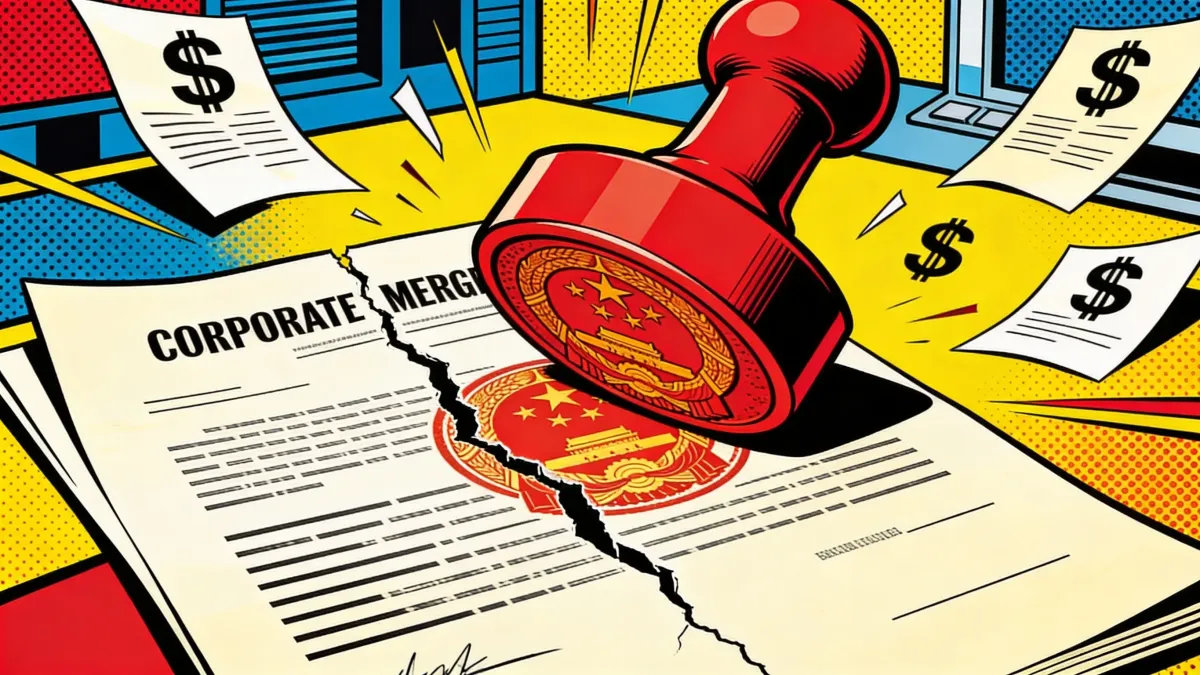
$2.5 billion: The size of Meta's acquisition of Singapore-headquartered AI agent startup Manus, which China's National Development and Reform Commission ordered unwound on Monday on national-security grounds. Manus employees had already moved into Meta's Singapore offices and capital had moved to selling investors. Beijing's enforcement signals that the "Singapore-washing" exit route for Chinese-origin AI startups is closed.
Musk v. Altman Jury Seated; Opening Arguments Begin in Oakland Tuesday

Nine jurors. One judge with the final say. Damages flow to the charity.
Judge Yvonne Gonzalez Rogers seated a nine-person jury Monday in Oakland for Musk v. Altman, with opening statements set for today. The trial runs through May 21. Whatever the jury returns is advisory; the judge keeps the final decision on remedies for OpenAI, Altman, Brockman and Microsoft.
Two claims survived the pretrial purge. Gonzalez Rogers approved Musk's request Friday to drop fraud and constructive fraud, narrowing the case to breach of charitable trust and recovery of unjust gains. OpenAI says the suit is a competitor delay tactic.
Money on the table runs from $134 billion in "wrongful gains" cited by Musk's lawyers to a $150 billion demand reported by Reuters. Any recovery flows to OpenAI's nonprofit, not to Musk personally.
Why This Matters:
- The advisory verdict means Gonzalez Rogers, not the jury, decides whether to restructure OpenAI before its rumored IPO window opens.
- A finding for Musk routes a potential nine-figure transfer to OpenAI's charitable arm, complicating every shareholder cap-table assumption.

AI Image of the Day

Prompt: adult man with a beard and mustache, high-resolution etching, insanely detailed, fine details, high quality
HybridClaw Pitches German Agent Controls as Hermes Tops 120,000 GitHub Stars
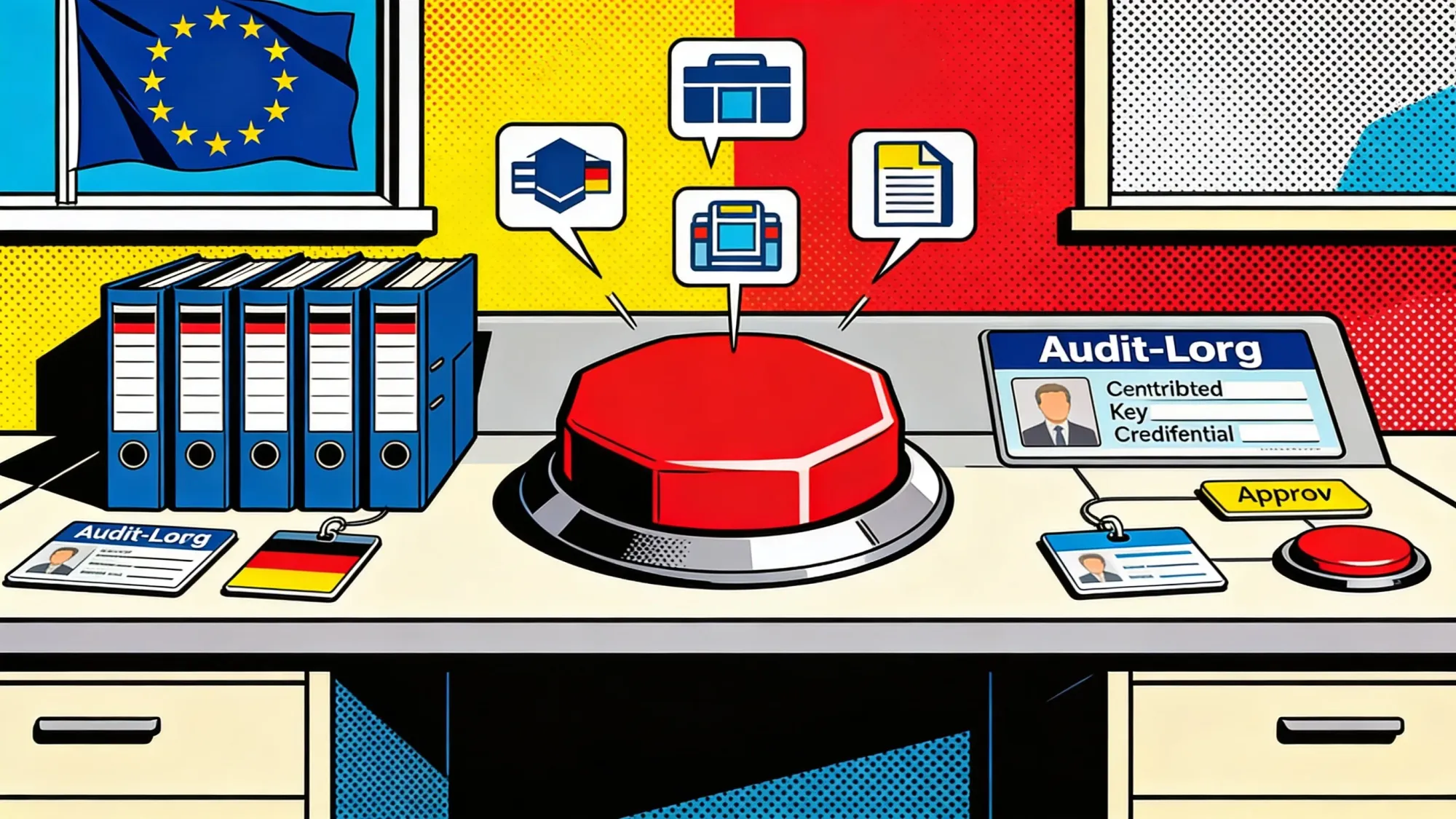
Eighty-three GitHub stars on one side. One hundred twenty thousand on the other. The pitch is the gap.
HybridClaw, a German-built agent runtime, is positioning itself around the controls the viral Hermes Agent project leaves to operators. The open-source package, latest on npm at version 0.13.1, imports OpenClaw and Hermes homes while adding encrypted credentials, approval flows, audit logs and managed cloud options.
Co-founder Benedikt Koehler frames skills as the real value: invoice folders, BI queries, SEO checks, meeting follow-ups. Version 0.13.1, published April 24, added delegated-agent usage logs, token counts, model routing for subagents and encrypted secret propagation.
Hermes has the adoption graph. HybridClaw has the audit trail. Whether enterprise customers convert the pitch into deployments is the open question.
Why This Matters:
- The agent stack is splitting into a developer-attention tier and an enterprise-controls tier, with European-hosted runtime now a credible third lane.
- Boring features (audit, rollback, encrypted secrets) are the buying criteria for finance and BI teams, not GitHub star counts.

🧰 AI Toolbox
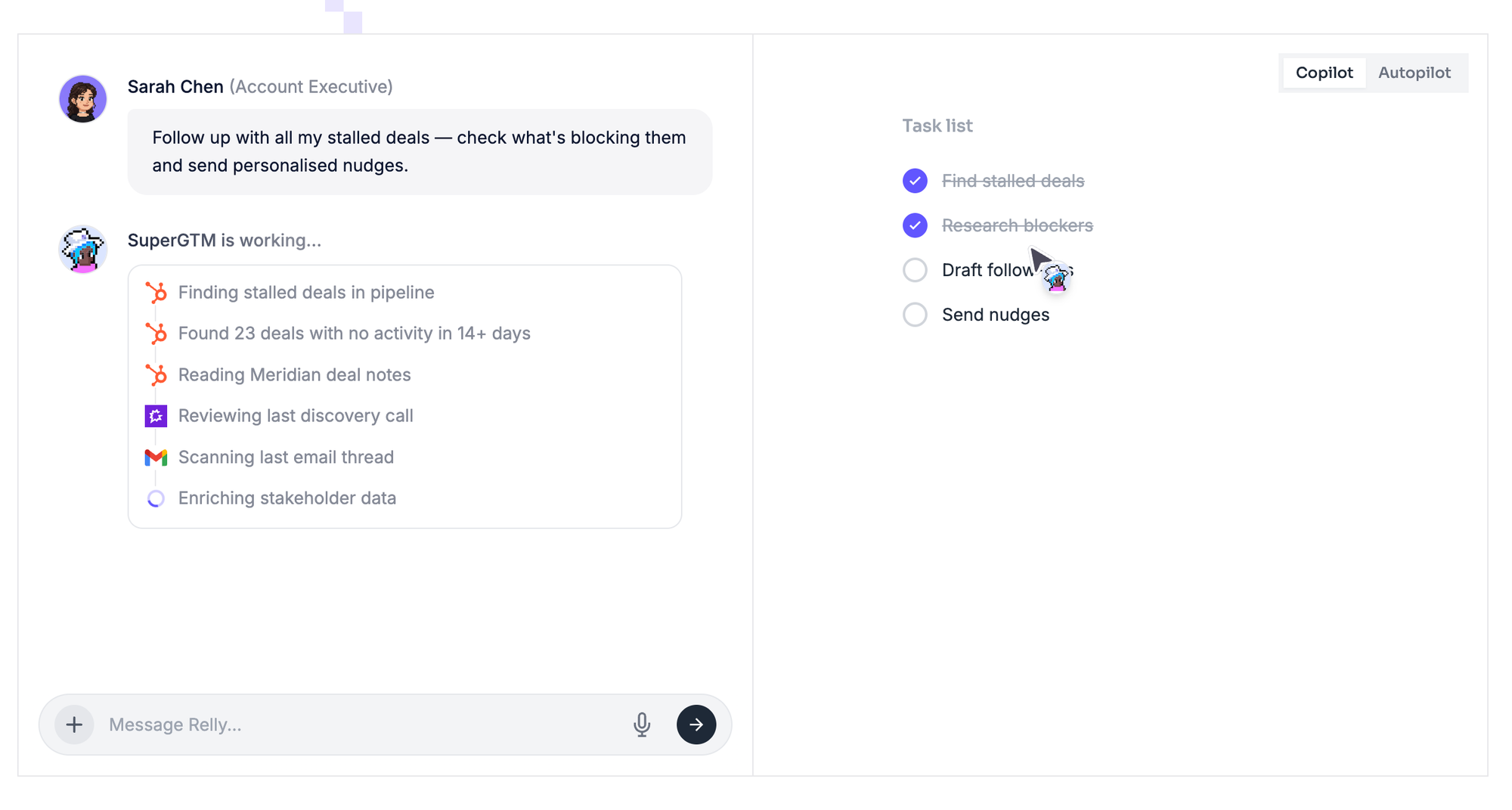
How to Deploy an AI Workforce for Sales, Research, and Operations with Relevance AI
Relevance AI is a platform for building and deploying teams of AI agents that run business processes instead of just generating content. Bosh the BDR researches leads and drafts outbound emails; Lima the researcher builds competitor analyses on demand; custom agents you design handle whatever repeatable knowledge work eats your team's time. Each agent has its own tools, memory, and approval rules. Used by companies like Qualcomm and SafetyCulture. Free tier available.
Tutorial:
- Sign up at relevanceai.com and pick a prebuilt agent (Bosh the BDR, Lima the Researcher) or create a custom one
- Define the agent's role in plain English: what it does, what tools it can use, what outcomes count as success
- Give the agent tools: web search, CRM lookup, email send, Slack post, or a custom API call
- Add memory rules so the agent remembers prior interactions with a lead, account, or topic
- Set approval thresholds: which actions auto-execute and which need a human review before firing
- Deploy the agent into your workflow through Slack, email, Zapier, or a direct API call, and let it start handling tasks
- Build a team by chaining agents together, passing outputs from one to the next (researcher hands off to writer hands off to sender)
What To Watch Next (24-72 hours)
|
||
|
||
|
💡 5-Minute Skill
Turn a Smell That Has Been in Your Apartment for Six Days Into a Find-It Plan Before You Find It the Hard Way
Tuesday evening. The smell appeared faintly Thursday around the kitchen, drifted into the hall by Saturday, and tonight it greets you at the door. It is sweet, slightly meaty, and not quite garbage. You have already taken the trash out twice. The cat is acting normal. Your partner says it is "not that bad," which means it is bad. You open Claude.
Your raw input:
One-bedroom apartment, 740 sq ft, building from 1962, radiators on. Smell first noticed Thursday near the kitchen, now strongest in the hallway between kitchen and bathroom and worse in the evening. Description: sweet, slightly meaty, faintly chemical at the edges, not classic garbage, not gas, not sewage. Trash taken out Friday and Sunday. Fridge cleaned Saturday, nothing rotten found. Disposal run with lemon. No water leaks visible. No dead-animal smell of the obvious kind. Cat fine. Bathroom drain runs clear. Last contractor work: a dishwasher install in February.
The prompt:
Based on the description above, give me the four most likely sources ranked by fit, then a 15-minute hunt-down plan in order. Tell me which check is the gross one to save for last, which one would point at the landlord and not me, and which symptom would tell me to leave the apartment tonight and call someone in the morning. No "consult a professional" paragraph. Plain language. I have a flashlight and gloves.
The output:
Most likely: (1) Something dead in the wall void or behind the dishwasher (sweet-meaty fits a small rodent two to five days in); (2) a P-trap dried out in the laundry stack venting sewer gas, which can read "sweet" when mixed with kitchen humidity; (3) standing water under the dishwasher from the February install; (4) a ripening produce item that rolled behind a cabinet. Plan: Pull the kick-plate under the dishwasher and look with the flashlight; run water in any rarely-used drain for 60 seconds; sniff the back of every lower cabinet; check behind the fridge; finally, knock along the wall between kitchen and bathroom for soft or warm spots. Save for last: wall-knock and the cabinet-back sniff. Points at landlord: dishwasher leak or a vent-stack issue. Leave tonight: any rotten-egg note, any visible wet drywall, or any pilot-light irregularity from the radiator system.
Why this works:
The reason apartment smells go on for six days is that you keep checking the obvious places, finding nothing, and concluding it is "the building." A structured prompt forces a ranked hypothesis list and a search order, which is what you would do for a bug at work and refuse to do for your own kitchen. The "points at landlord" line saves you money. The "leave tonight" thresholds matter exactly once.
What to use:
Claude. It handles the gross-physical-detail prompts without spinning a five-paragraph disclaimer about how it cannot smell. ChatGPT works too but tends to over-rank "open the windows and wait" as a solution, which is what you have been doing since Thursday. Do the hunt with gloves. If the wall sounds soft anywhere between the kitchen and the bathroom, stop and email the landlord with the time stamp; you have just found the story.
📖 AI Alphabet
|
R
|
📖 AI Alphabet Reinforcement Learning Reinforcement learning is a training method where a system improves by trying actions and receiving rewards or penalties. It is often used when the goal is to optimize behavior over time. |
AI & Tech News
Chinese billionaire restructures MiroMind with U.S.-China firewalls after Manus block
Chen Tianqiao has ordered MiroMind to install operational firewalls separating its Chinese and U.S. businesses after Beijing blocked Meta's Manus deal. The move tells every other Chinese-origin AI startup that any cross-border structure now needs more than a holding company to survive review.
China VCs build parallel funds to keep U.S. investors in AI deals
At least two China-based AI venture funds have set up parallel fund structures to take U.S. capital, Bloomberg reports, working around foreign-investment compliance constraints. The structures preserve American LP access to Chinese AI growth without triggering the cross-border rules that just sank Manus.
Tencent's new Hy3 model improved partly with Anthropic's Claude Code
Tencent reportedly used Anthropic's Claude Code to evaluate and tune its new Hy3 model, according to The Information. Cross-vendor tool integration is now a measurable input into Chinese model performance, even as governments tighten the cross-border rails the same tools run on.
Match Group invests $100 million in Grindr rival Sniffies with option to buy
Match Group has committed $100 million to Seattle-based Sniffies, a web-only dating platform with about 3 million monthly active users in queer-male audiences, including an option to acquire. The investment signals Match's bet that the next dating growth lane is web, not app, and not on Apple's or Google's terms.
Australia proposes 2.25% levy on Meta and Google to fund news publishers
The Albanese government introduced a draft News Bargaining Incentive that would tax digital platforms' Australian revenue at 2.25% to push payments to news publishers. Meta and Google rejected it the same day, calling the regime unnecessary and the rationale "simply wrong."
U.S. states issued $3.45 billion in privacy fines in 2025, more than the prior five years combined
Gartner data reported by CyberScoop puts 2025 state privacy fines at $3.45 billion, eclipsing the cumulative total of the previous five years. California led, with AI and automated decision systems pulling a growing share of enforcement attention.
Google launches Ask YouTube AI search for Premium subscribers in the U.S.
Google has rolled out Ask YouTube, a conversational AI search tool, to U.S. YouTube Premium subscribers age 18 and over. The feature returns AI-summarized answers, video clips and citations, porting the AI Mode pattern from Google Search into the video graph.
Bloomberg Terminal gets ASKB chatbot interface for 125,000 beta users
Bloomberg has put a chatbot-style ASKB interface in front of Terminal for roughly 125,000 beta users, CTO Shawn Edwards confirmed to Wired. The change is the largest UI shift in Terminal's history and pushes natural language alongside the function-key workflows traders have used for decades.
Spotify Q1 user growth beats estimates; Q2 income guide drops shares 10%
Spotify reported Q1 revenue of €4.5 billion and 761 million monthly active users, beating the 759 million consensus, but its Q2 operating income forecast undershot estimates and shares fell more than 10% pre-market. Recent price hikes did not slow user growth; they did not lift the next-quarter outlook either.
404 Media: a third of all new websites since ChatGPT's launch are AI-generated
A 404 Media analysis of Internet Archive data finds that roughly 35% of websites created since ChatGPT's November 2022 launch are AI-generated or substantially AI-assisted. The web's tone is shifting toward uniform, aggressively positive prose, with measurable consequences for search-quality and content-trust signals.
🚀 AI Profiles: The Companies Defining Tomorrow

Manus is the general-purpose AI agent platform that became the test case for whether a Chinese-born AI company can credibly relocate to Singapore and sell itself to a U.S. buyer. Beijing's National Development and Reform Commission ordered Meta's roughly $2.5 billion acquisition unwound on Monday, calling foreign investment in Manus a national-security matter and freezing a deal where employees had already moved into Meta's Singapore offices. 🛑
Founders
Founded March 2025 in Wuhan by Xiao Hong (CEO) and Ji Yichao (chief scientist). Xiao previously built mobile-app studios and ran an autonomous driving group; Ji came out of Tsinghua's NLP lab. The team relocated headquarters to Singapore in mid-2025 after a US-led funding round, a maneuver that Beijing has since labeled "Singapore-washing" in its enforcement action. Two co-founders were prevented from leaving China during the deal review in March.
Product
Manus markets a single agent that drafts sales pitches, runs S&P 500 financial analysis, builds slide decks, and executes multi-step browser tasks without per-task scripting. The platform attracted about 2 million users in its first six months on a usage-based credit meter, with enterprise pricing starting at $39 per month and a free tier capped at 1,000 daily credits. The technology stack runs on Claude and ChatGPT through commercial APIs, which is part of why Beijing flagged the deal as a model-export risk.
Competition
Manus competes against OpenAI's Operator, Anthropic's computer-use agent, and a wave of Chinese rivals including Baidu's Wuxin and ByteDance's Doubao agent. Inside Singapore the closer rival is Zhipu's open-source GLM-4 family. Meta wanted Manus precisely because the company shipped a working agent at consumer scale before any US lab could; that thesis now belongs to whichever buyer Beijing eventually approves, if any.
Financing 💰
Series A in late 2025 led by Benchmark at a roughly $500 million post-money valuation, with Tencent, ZhenFund and Hongshan participating. Meta's $2.5 billion all-cash offer landed in early 2026 and closed pending regulatory review. Capital has already moved to selling investors, which is what makes the unwind genuinely awkward. (WSJ, April 27, 2026)
Future ⭐⭐
The product is real and the user base is real. The corporate structure is now a regulatory hostage. Meta either negotiates a partial unwind that leaves Manus operating as a Meta-affiliated Singapore entity, or walks away and writes off the integration. Either path freezes the company's roadmap for at least two quarters and tells every other Chinese-origin AI startup that the Singapore exit is closed. The agent business will keep moving without them. 🚀
🤨 Yeah, But...
Sergey Brin Spent $58 Million Fighting California's Wealth Tax. Then He Left California.
Bloomberg reported Sunday that Google co-founder Sergey Brin, the world's fourth-richest person at $272.6 billion, has spent more than $58 million in the past four months opposing a proposed 5% one-time California wealth tax that would help offset federal healthcare cuts. The reporting describes a treehouse-party confrontation between Brin and Governor Gavin Newsom, held at crypto founder Chris Larsen's Christmas event, in which Brin and his partner told Newsom they were leaving the state.
Brin moved before the January 1 residency deadline to a $42 million Lake Tahoe mansion on the Nevada side and has since helped mobilize Eric Schmidt, Patrick Collison, Michael Moritz, and Peter Thiel; ultrawealthy donors have now injected more than $270 million into California's election cycle. The healthcare union backing the wealth tax says it has gathered enough signatures to qualify it for a November vote.
(Bloomberg, April 26, 2026)
Our take: Brin spent fifty-eight million dollars over four months arguing that California's wealth tax would damage the state, then moved to Nevada before the residency deadline so the tax could not damage him. The position is internally consistent only if you read it as concern for the state expressed by someone who has decided not to live in it.
The treehouse exchange is the part that lingers: a billionaire and his wellness-influencer girlfriend cornering the governor at a crypto founder's Christmas party, an abominable snowman with glowing red eyes presumably watching, to inform him that civic engagement now means leaving with one's $272 billion intact. The civic concern stayed. The civic resident did not.

Marcus Schuler
Editor-in-Chief and founder of Implicator.ai. Former ARD correspondent and senior broadcast journalist with 10+ years covering tech. Writes daily briefings on policy and market developments. Based in San Francisco. E-mail: editor@implicator.ai