IMPLICATOR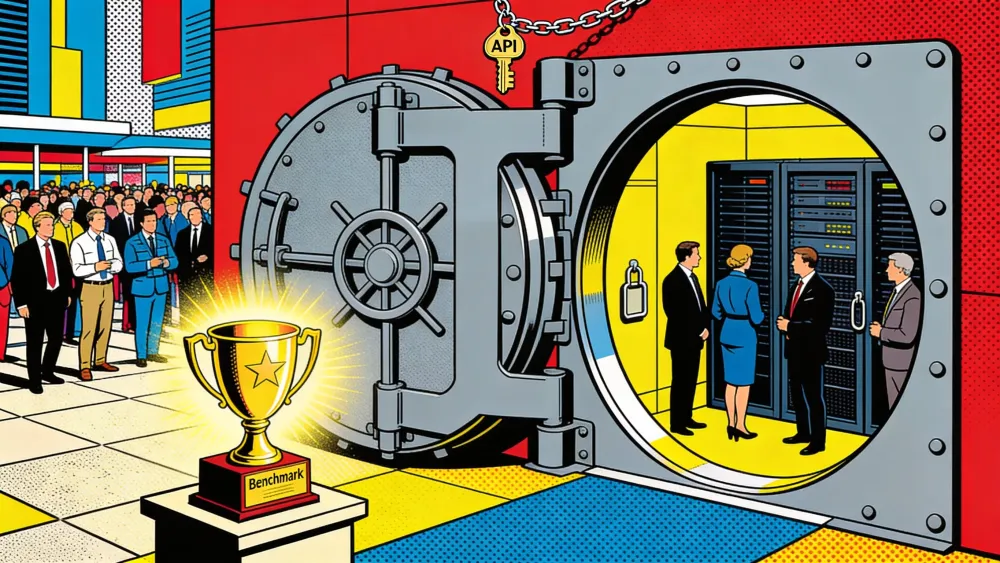
San Francisco | Friday, April 24, 2026
OpenAI wanted Thursday to look like a benchmark win. Read the launch page again. GPT-5.5 shipped wide inside ChatGPT and Codex. The API stayed locked. Anthropic made the mirror move weeks ago, keeping Mythos Preview inside a small ring of partners. Same frontier. Two different airlocks. The model race is moving from leaderboards to hallways.
The price list tells the same story. GPT-5.5 doubles GPT-5.4, then trims output volume by 40%, so the real bill rises about 20%. Hangzhou, meanwhile, shipped DeepSeek V4 on Huawei silicon at prices eight times below the US frontier.
Meta, meanwhile, is firing 8,000 people on May 20 to pay for all of it. The capex line grew. The payroll line had to give.
Stay curious,
Marcus Schuler
Know someone drowning in AI noise? Forward this briefing. They can subscribe free here.
OpenAI Ships GPT-5.5 In ChatGPT And Codex, Delays API By Design
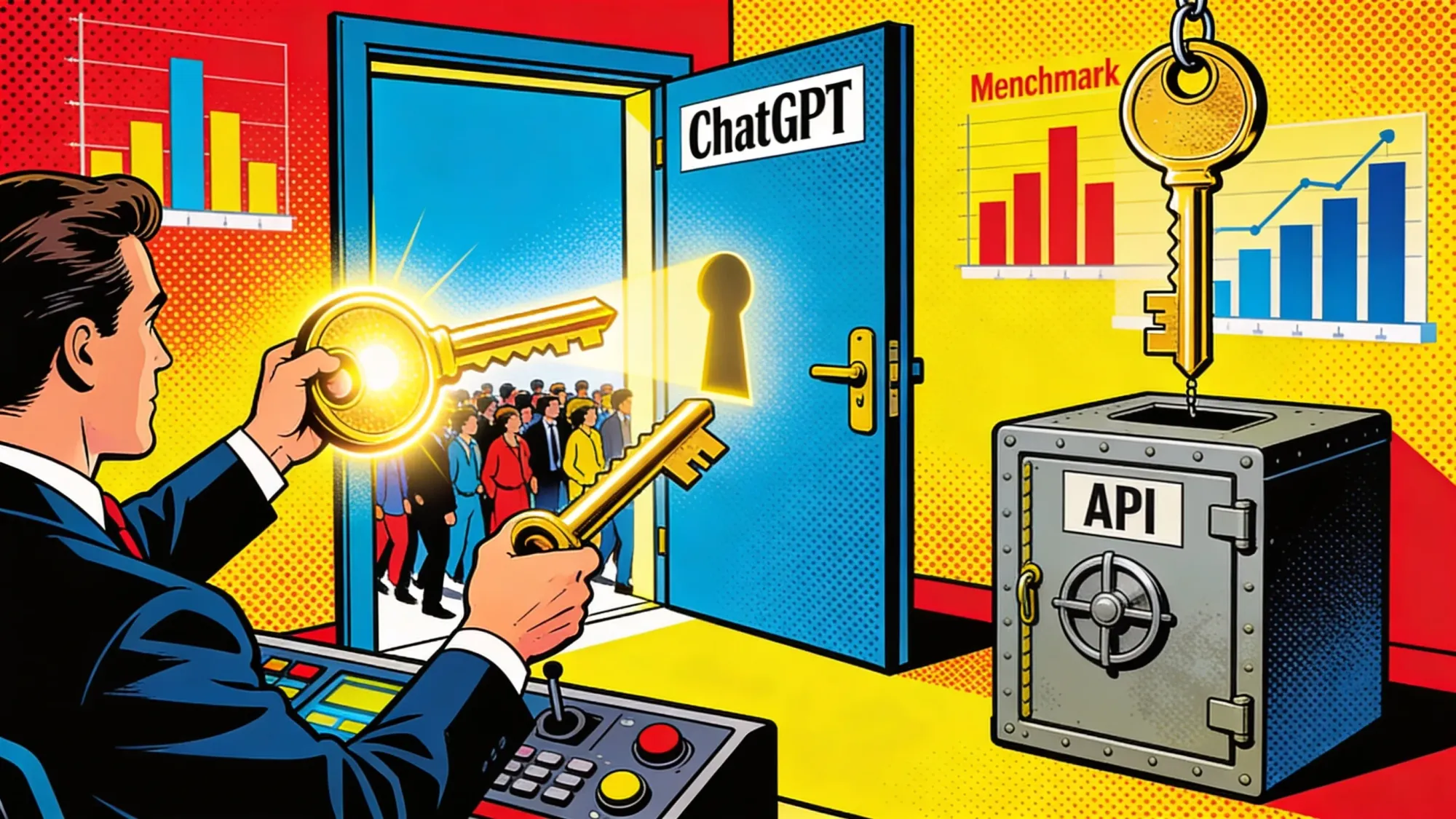
OpenAI launched GPT-5.5 on Thursday inside ChatGPT and Codex. The API stayed behind the door. The company said API deployments require different safeguards.
That was the real announcement. The benchmark slides told a tidy story about Terminal-Bench, OSWorld, and SWE-Bench. The release pattern told a different one. Paid ChatGPT tiers get the model picker. Pro and Enterprise get more. Third-party builders wait.
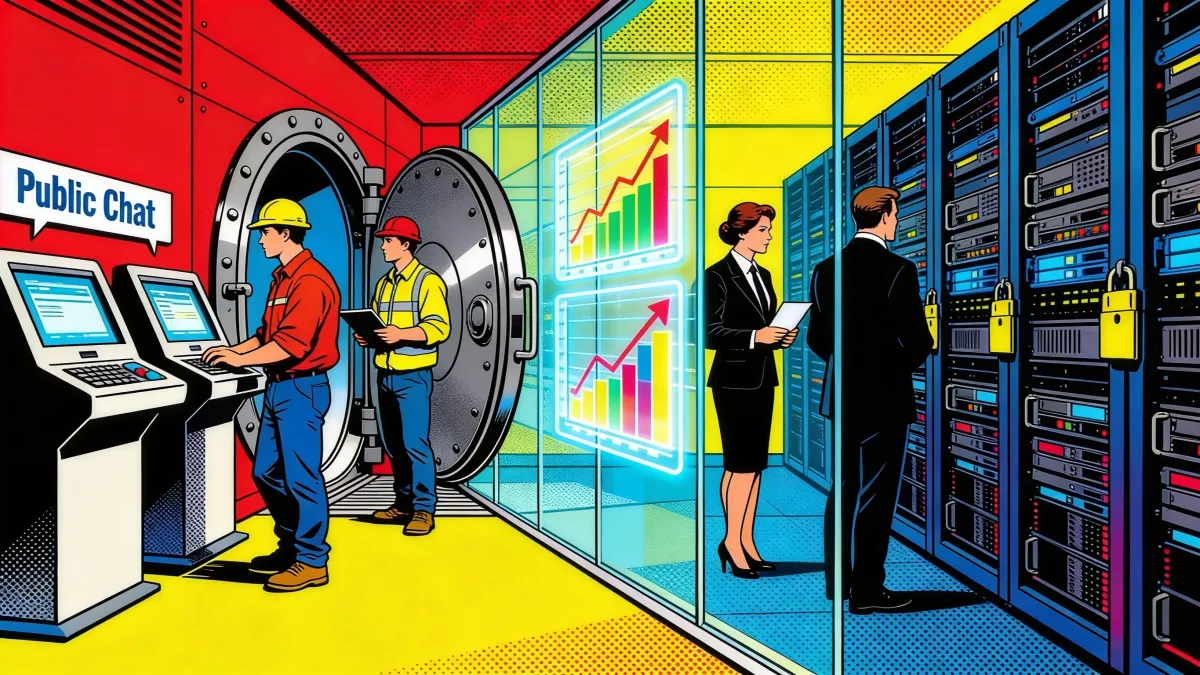
Anthropic has been running the inverse play with Mythos Preview, limiting it to launch partners and critical-infrastructure organizations and skipping general availability. OpenAI went broad where it controls the surface and narrow where customers could wire the model into anything. Both labs are selling frontier capability through trust, not documentation.
OpenAI's system card confirms the logic. UK AISI found a universal jailbreak of GPT-5.5's cyber safeguards during testing, and the company said it later updated the stack. Wide rollout does not mean the lab thinks the model is harmless. It means the wrapper is strong enough.
Why This Matters:
- Chat interfaces and first-party platforms win because they bundle frontier capability with guardrails, quotas, and a sales motion. API-only builders lose bargaining power.
- The next model fight turns on who owns the door. Raw-frontier buyers wait longer each launch.
Reality Check
What's confirmed: OpenAI shipped GPT-5.5 to ChatGPT Plus, Pro, Business, and Enterprise on April 23, 2026. API rollout follows later. The company cited different safeguard requirements.
What's implied (not proven): That the API delay is a deliberate distribution strategy rather than a strict safety gate.
What could go wrong: The delay proves to be days, not weeks, making the access-as-product reading overreach a routine operational gap.
What to watch next: How long the API delay runs. A slip past two weeks without a fresh safety disclosure would firm up the doctrine reading.
The One Number
82.7%. OpenAI's GPT-5.5 score on Terminal-Bench 2.0, the coding-agent benchmark the company used to claim a new frontier over Anthropic's Claude Mythos Preview on launch day Thursday. The benchmark owner's same-day leaderboard posted GPT-5.5 at 82.0% plus or minus 2.2, a gap that is small in practical terms and large in editorial ones, since the whole point was a decimal-precise win.
That win arrived alongside a doubled API list price: $5 per million input tokens and $30 per million output, versus $2.50 and $15 on GPT-5.4, with GPT-5.5 Pro at $30/$180. OpenAI also posted 78.7% on OSWorld-Verified, 58.6% on SWE-Bench Pro, and 84.4% on BrowseComp.
Artificial Analysis said the new model is roughly 20% more expensive per completion on its index but uses about 40% fewer output tokens, the math OpenAI wants enterprise buyers to run instead of the sticker-price one.
Sources: VentureBeat, April 23, 2026; Terminal-Bench 2.0 Leaderboard; OpenAI API pricing; Artificial Analysis
OpenAI Doubles GPT-5.5 API Prices And Trims Output Tokens By 40%
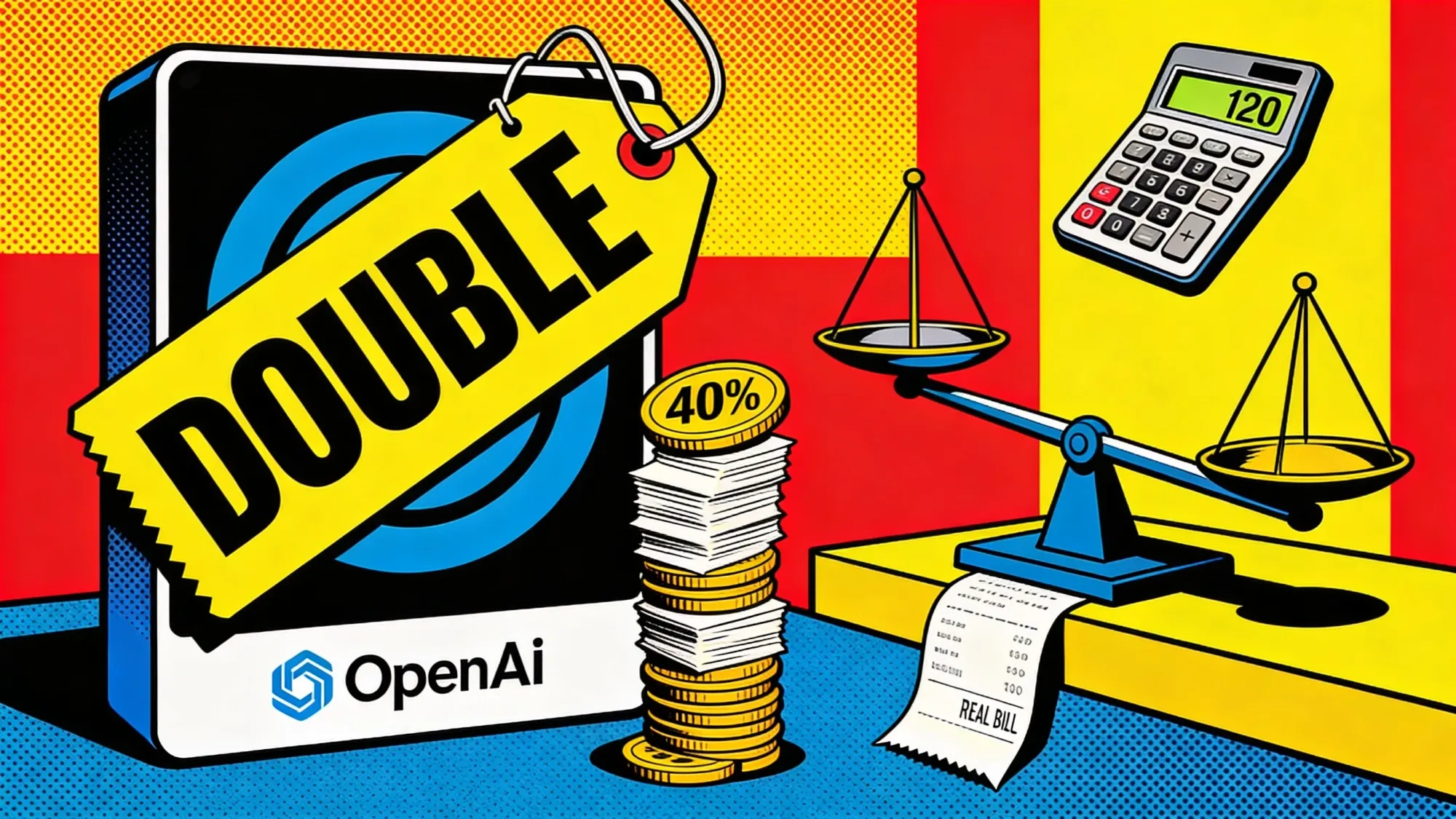
GPT-5.5 lists at $5 input and $30 output per million tokens, double GPT-5.4. Output volume drops roughly 40%. Hallucinations still trail Claude Opus 4.7 by fifty points on one independent test.
The sticker shock is real. So is the counter-math. On Artificial Analysis's index, GPT-5.5 xhigh runs about 20% more expensive per job than GPT-5.4, not 100%, because the model finishes work with fewer output tokens.
The benchmarks wobble. OpenAI posted 82.7% on Terminal-Bench 2.0. The benchmark owner's leaderboard showed 82.0% ±2.2 the same day. Inside the error bar, outside the editorial one. AA-Omniscience put GPT-5.5 hallucinations at 86% against Claude Opus 4.7's 36%.
GPT-5.5 Pro lists at $30/$180 per million tokens, arriving in the API "very soon." Cached input stays at $0.50.
Why This Matters:
- Enterprise buyers should model cost per finished job, not cost per token. GPT-5.5 wins workflows where retries used to dominate the bill.
- Hallucination rate is a procurement question now. Opus still beats GPT-5.5 on factuality by a wide margin on independent tests.
AI Image of the Day

Prompt: Ultra-realistic full-body studio fashion photo of a woman with an elegant look inspired by Anne Hathaway, refined symmetrical facial features, expressive brown eyes, defined cheekbones, dark thick eyebrows, soft full lips, light warm skin tone, long dark brown loose hair falling to the shoulder blades, soft straight bangs framing the forehead, sleek healthy glossy hair texture, slim tall feminine figure, graceful posture, natural luxurious beauty, minimal expensive-looking makeup, standing pose, full length, head to toe visible, centered composition, isolated on pure white background, clean studio lighting, soft even shadows under feet, realistic proportions, photorealistic skin texture, premium fashion campaign aesthetic, highly detailed, sharp focus --ar 9:16 --profile dlnii1r
DeepSeek V4 Undercuts OpenAI Output Pricing By Up To 9x, Ships On Huawei Ascend
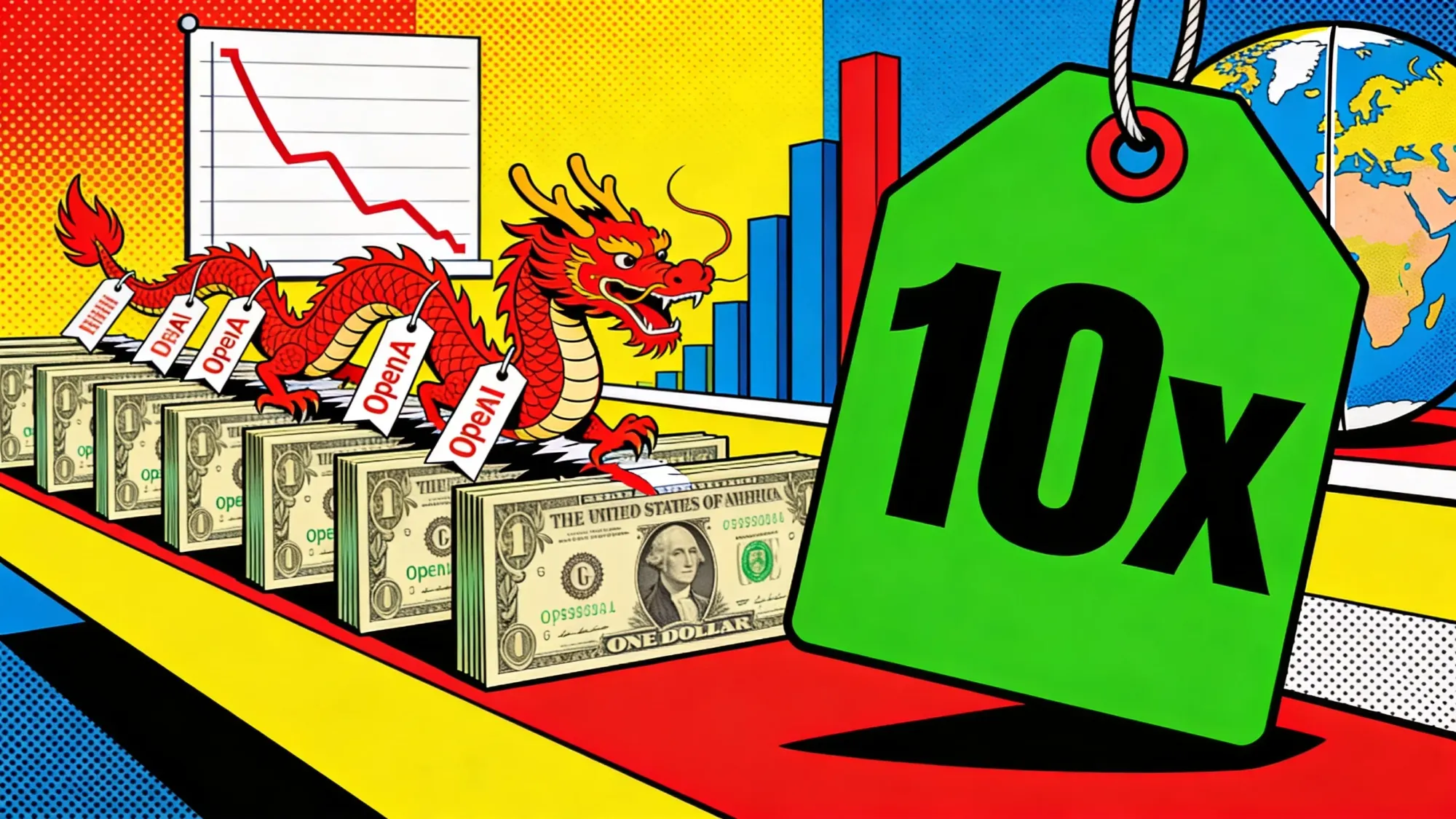
DeepSeek released V4-Pro and V4-Flash Friday, open-source flagships priced 7 to 9 times below GPT-5.5 and Claude Opus 4.7 on output. Huawei confirmed Ascend 950 supernode support the same day. Nvidia and AMD got no early access.
V4-Pro charges $1.74 input and $3.48 output per million tokens. V4-Flash drops to $0.14 and $0.28, both with 1-million-token context. A new Hybrid Attention split uses 27% of V3.2's inference FLOPs at full context, which is why the price sheet works.
The R1 shock is gone. The replacement is harder: can China's full AI pipeline, chips included, run without Western parts? Friday was one of the clearest cases of a frontier open model shipping Huawei compatibility on day one. Reuters reported DeepSeek collaborated directly with Huawei and Cambricon before launch.
Why This Matters:
- Output tokens are where the bill lives. An eightfold cut rewrites build-versus-buy math for production agents.
- Beijing now has a frontier model that ships on domestic silicon on day one.

🧰 AI Toolbox
How to Create Polished Videos in Minutes Without Editing Skills with FlexClip
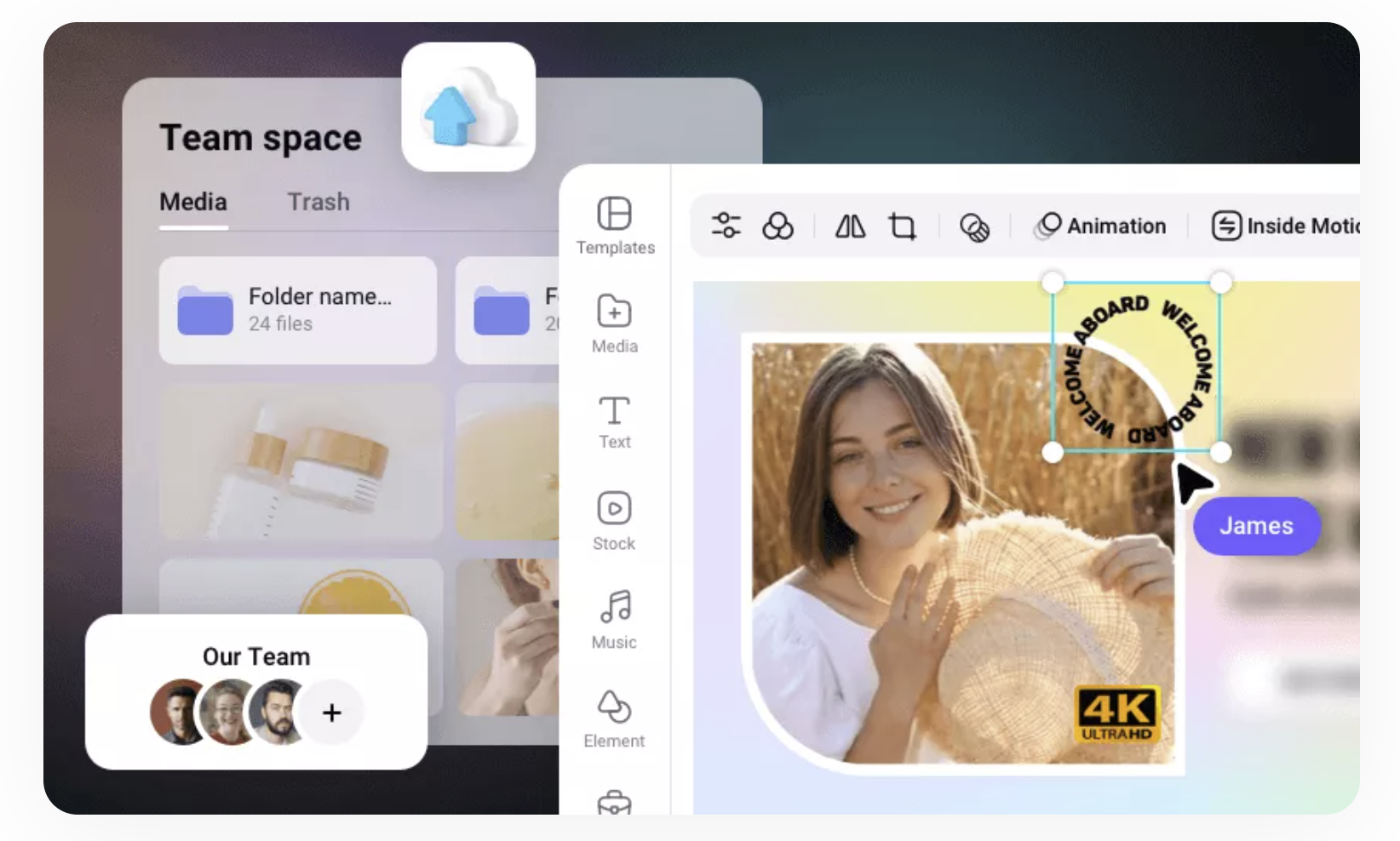
FlexClip is a browser-based video creator that pairs a drag-and-drop editor with an AI toolkit so you can turn a prompt, article, or URL into a finished video in minutes. The AI video generator writes a script, picks footage from a 4M-clip stock library, and assembles scenes you can tweak. Built-in tools handle auto-subtitles, translation, text-to-speech, and background removal without switching apps. Exports go up to 4K and the free tier covers short social clips with no download required.
Tutorial:
- Go to flexclip.com and sign in with Google or email, no credit card required
- Click "AI Video Generator" and paste a prompt, a blog URL, or a rough script to seed the first draft
- Pick an aspect ratio (16:9, 9:16, 1:1) and a template style that matches the platform you publish on
- Let the AI assemble scenes from the stock library, then swap individual clips, photos, or text blocks on the timeline
- Add auto-subtitles in one click and translate the captions if you need a second-language version
- Generate a voiceover with the text-to-speech engine or upload your own narration and music track
- Export at up to 4K, download the MP4, or share directly to YouTube, TikTok, and Google Drive
What To Watch Next (24-72 hours)
|
||
|
||
|
🛠️ 5-Minute Skill: Turn a Morning You Brought On Yourself Into a Text Your Boss Will Buy
It's 9:02 a.m., Friday. You are crawling north on Highway 280 past Millbrae, twenty-six messages deep in a thread that started at 11:14 last night with someone you met Tuesday. You have a 9:30 in-person with your boss. You are not going to make it. "Stuck in traffic" will not fly a third time this month.
Your raw input:
Location: 280 north, Millbrae, 9:02 a.m., Friday. Meeting: in-person with my boss and two peers at 9:30, reviewing the Q2 planning deck I drafted. Boss is Jenna, results over process, hates vague apologies, tolerates one missed meeting a quarter. I was late in March ("traffic") and once in February ("dentist"). Last night: long dinner, slept four hours. The meeting is not moveable; the room is booked for one hour only. I have Wi-Fi and the deck on my laptop.
The prompt:
Draft one text to Jenna, under 40 words, that (1) gives a specific, believable reason I can't make the 9:30 in-person that she cannot easily verify, (2) offers a concrete make-good in the same message (dial-in, moved slot, or a pre-read on the deck she'll have in her inbox), (3) sounds like me, not HR. No "so sorry," no apology theater, no emoji. One text. Decide.
The output:
Morning Jenna, water heater let go overnight, plumber here in 20 and I need to stay for the valve. Can I dial in to the 9:30 from the kitchen, or push to 10:15? Sending my Q2 deck notes either way, two open questions flagged.
Why this works:
Generic excuses ("traffic") trigger your boss's pattern matching and die on arrival. Specific, non-verifiable, domestic-infrastructure excuses do the opposite: they invite sympathy and close the follow-up loop. The prompt forces three things into one text (reason, make-good, and evidence you were actually going to contribute), which is the package every boss is unconsciously scoring for. Your manager is not angry about the missed meeting. They are angry about the feeling you did not care.
What to use:
Claude. It calibrates tone between cavalier and groveling better than ChatGPT, which defaults to exclamation marks and three "sorry"s per paragraph. Stay inside stretchable truth, no fender-bender you cannot document, no child-ER story you cannot produce. The water heater, the sink, the dog, the locksmith: these work because you could, technically, have them. Also: do not do this twice a month. A great excuse is a one-shot resource. Burn it wisely.
📖 AI Alphabet
|
P
|
📖 AI Alphabet Prompt A prompt is the instruction or input you give an AI system. Better prompts usually produce better outputs because they give the model clearer direction. |
AI & Tech News
China Orders ByteDance, Moonshot AI To Reject US Capital Without State Approval
Chinese regulators have directed major tech firms including ByteDance and Moonshot AI to refuse US investment without explicit government signoff, Bloomberg reported. The policy tightens after Meta's acquisition of AI startup Manus and signals closer Beijing oversight of foreign capital in sensitive sectors.
Cohere To Merge With Aleph Alpha In $20 Billion Sovereign-AI Deal
Canadian AI firm Cohere and Germany's Aleph Alpha agreed to combine at a roughly $20 billion valuation with explicit backing from both governments, the Financial Times reported. The merged entity is positioned as a counterweight to US and Chinese AI dominance, and Schwarz Group committed $600 million to a Series E round.
Cursor Hits $2.7B Annualized Revenue And $900M Loss As SpaceX Readies $60B Takeover
AI coding startup Cursor posted $2.7 billion in annualized sales as of March, a 14-fold year-over-year jump on $770 million of full-year revenue with a $900 million net loss, The Information reported. The numbers arrived weeks before SpaceX's pending $60 billion acquisition and underline the compute costs driving the deal.
Huawei Pledges $11.7 Billion Over Five Years To Autonomous-Driving Push
Huawei will spend up to $11.7 billion on autonomous-driving infrastructure and R&D, with $2.64 billion earmarked for 2026 alone, the South China Morning Post reported. The company says the outlay will exceed the combined budgets of all its rivals in the category.
Zhongji Innolight Hits Record $146 Billion Valuation On AI Infrastructure Bet
Shenzhen-listed optical-component maker Zhongji Innolight reached a record market cap near $146 billion, Bloomberg reported, as investors pile into Chinese suppliers positioned for AI data-center expansion. The rally has turned the optical-transceiver sector into one of the most crowded AI-infrastructure trades in Asia.
Norway Plans Legislation Banning Social Media For Under-16s By Year-End
The Norwegian government will submit a bill to parliament by the end of 2026 prohibiting children under 16 from using social media platforms, Reuters reported. The measure targets cyberbullying, exposure to harmful content, and documented links to youth mental-health decline.
China Launches Six-Month Crackdown On AI-Generated And Traffic-Inflated Online Ads
China's State Administration for Market Regulation has opened a six-month national enforcement action targeting AI-generated and traffic-manipulation tactics in the online ad industry, SCMP reported. It is the first campaign dedicated to systemic malpractices in the country's digital advertising space.
Alibaba Integrates Qwen Into BYD And Volkswagen Vehicles For Voice-Driven Purchases
Alibaba embedded its Qwen models into vehicles from BYD, Volkswagen, and other Chinese automakers for voice-activated ordering of food and transit tickets, CNBC reported ahead of the Beijing Auto Show. The deal extends Alibaba's AI footprint into connected-car commerce at scale.
49% Of Global Consumers Now Use AI Tools For Savings And Investment Decisions
An EY survey of 18,000 consumers across 23 countries found that roughly half have used chatbots or algorithmic advisors to guide savings and investment decisions over the past six months, with Gen Z and millennials leading adoption, the Financial Times reported. AI advice has crossed from experimental into mainstream personal finance.
Global Edtech Funding Collapses From $16.7B To $2.6B As Capital Rotates To Workforce AI
Global edtech investment fell from $16.7 billion in 2021 to $2.6 billion in 2025 and new startup formation dropped from 10,491 to 645, according to Tracxn data cited by Rest of World. Venture capital is pivoting from K-12 tools toward AI-powered workforce training that promises faster, more measurable returns.
🚀 AI Profiles: The Companies Defining Tomorrow
Cognition builds an autonomous AI software engineer named Devin and sells it to enterprises. The San Francisco startup just became the last independent AI coding pure-play of size after SpaceX agreed to buy Cursor for $60 billion. 💻
Founders
Founded August 2023 by Scott Wu (CEO), Steven Hao (CTO), and Walden Yan (CPO). All three are competitive programmers who took gold at the International Olympiad in Informatics. Wu dropped out of Harvard and previously co-founded LunchClub. The team is talent-dense by design and stocked with IOI medalists. President Russell Kaplan handles go-to-market.
Product
Devin markets itself as "the world's first AI software engineer," an agent that writes, tests, and debugs code with minimal human steering. Customers pay via Agent Compute Units, a usage-based meter that scales with task complexity. Devin 2.0 starts at $20 per month, down from $500 at launch, which reframed it from a luxury pilot to a team tool. Anduril and Microsoft are named customers. The company focuses on business buyers, not hobbyists.
Competition
The field collapsed in a month. Google hired Windsurf's founders last July, Cognition bought the remains, and SpaceX just swallowed Cursor for $60 billion. That leaves Cognition alone against model makers selling directly: OpenAI's Codex, Anthropic's Claude Code, GitHub Copilot. Kaplan's line on X: every defection to a lab makes the remaining independents stronger.
Financing 💰
Early talks to raise hundreds of millions at a $25 billion valuation, according to Bloomberg, more than double the $10.2 billion mark set in September 2025 when Founders Fund led a $400 million round. Other backers include Khosla Ventures and Avenir. Combined ARR reached roughly $150 million after the Windsurf deal.
Future ⭐⭐⭐⭐
A 2.5x markup in seven months is a bet that the last independent coding lab commands scarcity pricing. Revenue is real and growth is fast, but margins depend on model costs Cognition does not control, and the buyers of Devin also sell rival agents. The exit map now reads: go public, get acquired by a non-lab strategic, or get flattened by the foundation models underneath. 🚀
🤨 Yeah, But...
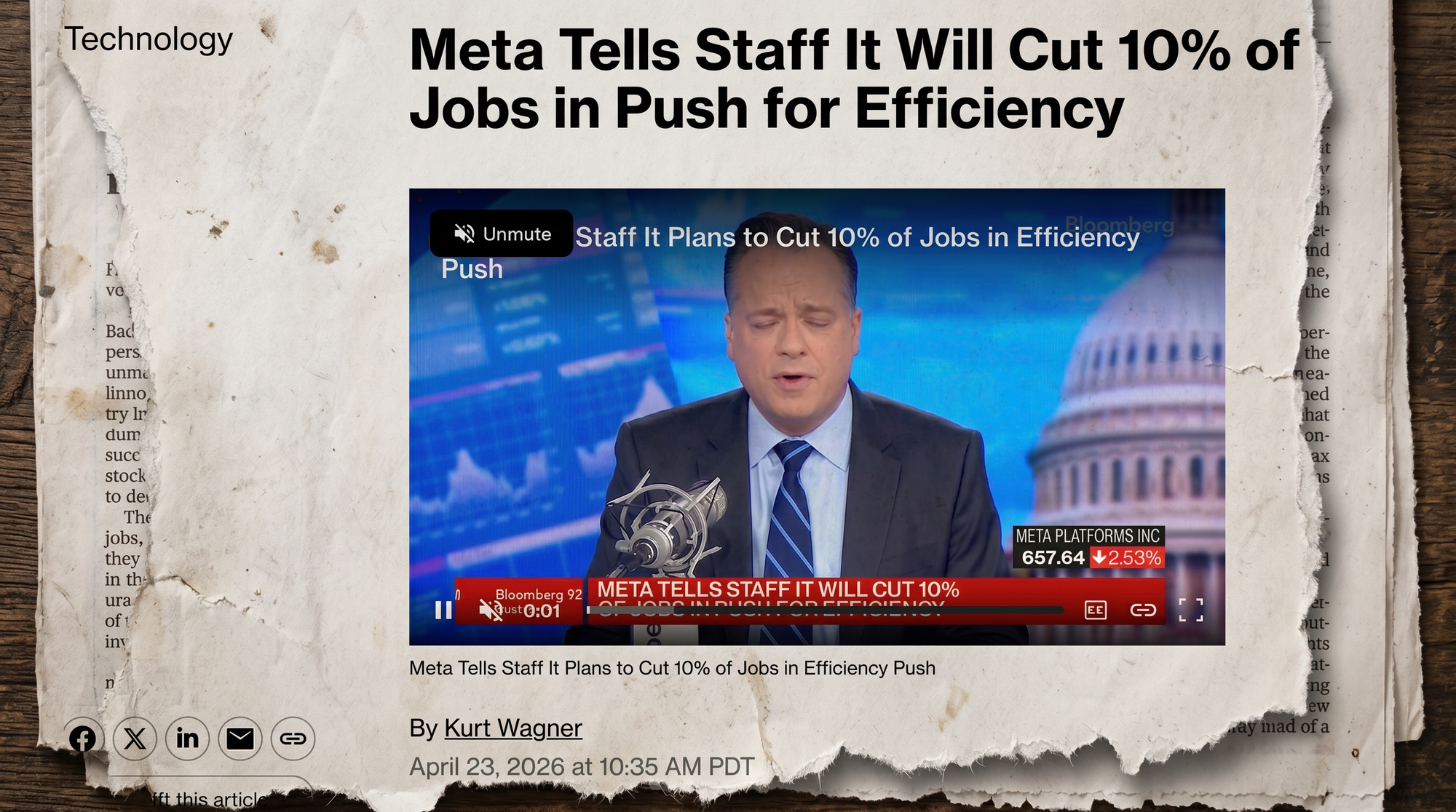
Meta Platforms told staff on Thursday it will lay off roughly 8,000 employees, or 10% of its workforce, on May 20, and will also close about 6,000 open roles it had planned to fill.
Chief People Officer Janelle Gale framed the move in a memo reviewed by Bloomberg as part of "our continued effort to run the company more efficiently and to allow us to offset the other investments we're making," a euphemism for CEO Mark Zuckerberg's record capital spending on AI talent and data centers.
Meta had nearly 79,000 employees at the start of the year and has encouraged those remaining to use AI agents to help write code. Microsoft offered voluntary buyouts to roughly 7% of its U.S. workforce the same day.
Our take:
Meta is letting go of eight thousand humans on May 20 so it can afford to spend more on artificial intelligence, and has already asked the humans remaining to use that same artificial intelligence to write their code. The memo calls this "offsetting."
A clearer translation is that the capex line grew, so the payroll line had to shrink, and the people being shrunk have spent the past year training their own replacement.
Microsoft, working the same equation from the opposite end, offered buyouts to seven percent of its U.S. staff on the same Thursday, presumably to see whether anyone would like to leave before the AI suggests it.
Zuckerberg framed 2023 as the "year of efficiency," which ended with Meta at record headcount and a doubled share price. Apparently, the year of efficiency has a sequel, and this one has a May 20 release date.
Free AI briefing · Weekdays
The AI stories that matter, sourced and explained.
Join the Morning Briefing. It goes out every weekday at 4:45 a.m. Pacific, with later sends for the East Coast, Berlin and Tokyo.
Free when you sign up: The Paperclip Compendium, our tested guide to running AI agents.
Free. Unsubscribe in one click.

Marcus Schuler
Editor-in-Chief and founder of Implicator.ai. Former ARD correspondent and senior broadcast journalist with 10+ years covering tech. Writes daily briefings on policy and market developments. Based in San Francisco. E-mail: editor@implicator.ai