IMPLICATOR
San Francisco | Friday, June 5, 2026
Agent skills are hardening into their own software layer, and a Go tool named Skillshare pulled in 2,132 GitHub stars in five months. It syncs the SKILL.md files that steer Claude Code, Codex and Cursor from one directory, like a package manager for instructions. The catch is that those files are executable, and the scan meant to police them can miss what an attacker hides.
OpenAI is pushing the same logic into memory, cutting the compute behind its background "dreaming" system fivefold to reach free accounts. The assistant now writes most of your memories without being asked.
Anthropic charges nothing for its hardest interview round. Candidates still spend an average of $4,600 to prepare for a stage with no code.
Stay curious,
Marcus Schuler
Know someone drowning in AI noise? Forward this briefing. They can subscribe free here.
Skillshare Syncs One Skill Library Across 60-Plus AI Coding Tools
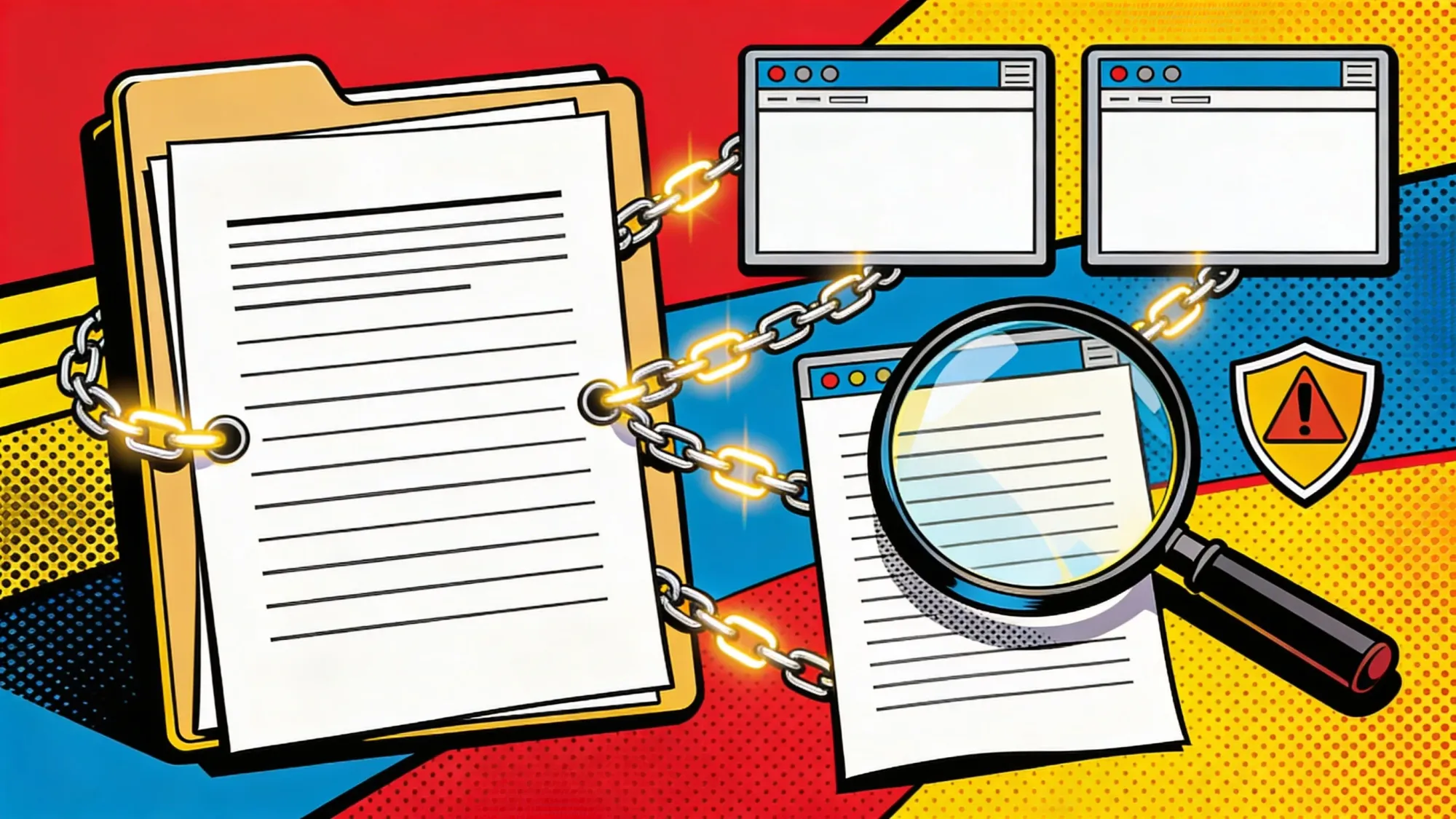
Skillshare, an open-source Go tool, syncs SKILL.md instruction files across Claude Code, Codex, Cursor and 60-plus other AI coding assistants from one source directory. It has drawn 2,132 GitHub stars and 163 version tags since mid-January.
The bet is that portable agent skills are becoming a configuration layer. Once instructions travel across models, developers want the versioning and security review they built for code. Skillshare keeps one copy and symlinks it into each tool.
That matters because skill files are not static notes. They carry build commands, deploy steps and recovery habits, so a stale copy tells Codex one thing and Claude Code another.
The security claim is thornier. Skillshare scans every skill for prompt injection and exfiltration and blocks critical findings. But a study of 31,132 skills found 26.1% carried a risky pattern, and researchers warn these files blur ordinary and malicious instructions in ways static scans miss.
Why This Matters:
- One poisoned file in a synced library reaches every coding agent at once, turning convenience into a single point of failure.
- A tooling layer is forming around agent skills, with Vercel and desktop managers competing to own how instructions get audited.
Reality Check
What's confirmed: Skillshare shows 2,132 GitHub stars, 131 forks and 163 version tags since Jan. 14, per GitHub data retrieved June 4. It syncs SKILL.md files through symlinks.
What's implied (not proven): That a built-in audit makes a synced skill library safe to trust across every agent.
What could go wrong: A skill that clears the scan still carries instructions the agent will run, and one bad file propagates everywhere.
What to watch next: Whether Skillshare's near-solo contributor base keeps pace as coding tools change paths, formats and security rules.

The One Number
220+ - pre-ChatGPT startups PitchBook now counts as fallen unicorns, billion-dollar companies effectively cut off from fresh venture funding. Of roughly 857 US unicorns, nearly half have not raised in three years, and those that last raised in 2021 are worth 68% less on average. The AI boom is concentrating capital rather than spreading it.
Source: CNBC, June 1, 2026
💰 Fresh Funding
💰 Fresh Funding
Ramp raises $750M at a $44B valuation to manage AI-era spending
Ramp said Thursday it raised $750 million in a round led by ICONIQ, GIC and the Ontario Teachers' Pension Plan, raising the spend-management company's valuation to $44 billion from $32 billion in November. The company now ships tools that track AI spending and route tasks to cheaper models, a bet that the budgets swelling on AI usage will also pay for the software that keeps them in check.
Visit Ramp →Supabase raises $500M at a $10.5B valuation to power AI app builders
Supabase said Thursday it raised $500 million at a $10.5 billion valuation in a round led by GIC, with Accel, Y Combinator, Coatue and Stripe joining, roughly double its worth at its October round. The open-source platform supplies the database and backend that AI coding tools build apps on top of, so the vibe-coding boom converts directly into demand for the plumbing underneath it.
Visit Supabase →Generalist AI raises $400M at a $2B valuation to build robot foundation models
Generalist AI said Thursday it raised $400 million at a $2 billion valuation in a round led by Radical Ventures, with Nvidia's NVentures and Bezos Expeditions returning and total funding now past $500 million. Founded by former DeepMind and Boston Dynamics researchers, the company trains models meant to run across many robot types rather than one machine, and says its GEN-1 system already reaches 99% success on simple physical tasks.
Visit Generalist AI →OpenAI Brings ChatGPT Memory to Free Users After a 5x Compute Cut

OpenAI began rolling a new ChatGPT memory system to U.S. Plus and Pro users Thursday, with Free and Go accounts scheduled over the next several weeks. A roughly 5x cut in the compute behind its background "dreaming" process made the free-tier rollout practical.
Dreaming pulls context from past chats without being asked to remember anything, keeping a prose profile sorted into work, hobbies and travel. OpenAI's own tests put fact retrieval at 82.8%, up from 41.5% in 2024, though it published no outside comparison. Paid accounts get double the capacity and a page to review what the system may use.
The privacy question rides along. A February arXiv study of 2,050 entries from 80 users found 96% were written by the system rather than the user, 28% held GDPR-defined personal data and 52% carried psychological inferences. The same feature has surfaced in wrongful-death and product-safety suits tied to ChatGPT's persistent recall.

AI Image of the Day

Prompt: An intense, extreme close-up portrait of an elderly indigenous warrior chieftain and a dire wolf below him, captured in a dramatic cinematic chiaroscuro style against a pure black background. The warrior's weathered face and wrinkles is deeply etched with fine lines and realistic skin textures and the wolf's detailed fur. One side of their faces are cast in deep, moody shadow, while high-contrast directional lighting strikes the other, illuminating piercing, amber-colored eyes filled with profound depth and intensity. The warrior wears an intricate, towering headdress constructed from large, layered feathers exploding in a rich spectrum of saturated teal, fiery orange, golden yellow, and deep scarlet. The base of the headdress features a heavily textured, hand-woven fabric headband with intricate geometric tribal patterns in worn turquoise and orange threads. Braided leather cords, colorful beads, and smaller accent feathers cascade down past his shoulder. Shot on a 35mm lens, ultra-sharp focus on the textures of the skin and woven fabric, masterclass tonal depth, dark atmosphere, high-contrast lighting physics, rich color saturation, 8k resolution, hyper-detailed texture rendering.
Anthropic Candidates Spend $4,600 to Prep for a No-Code Interview Round

Candidates who land offers at Anthropic or OpenAI spend an average of $4,600 preparing, much of it for an interview round with no coding in it, according to interviewing.io founder Aline Lerner in Bloomberg Businessweek.
The money buys mock-interview coaching at $170 to $550 an hour. The gauntlet runs from a recruiter screen and a CodeSignal test through a four-to-five-hour onsite, then narrows to a one-hour values round that fails most people. Co-founder Daniela Amodei has described it as asking what unusual beliefs candidates hold and how they have defended them under discomfort.
Clearing every technical stage still guarantees nothing. Team matching can stretch two to eight weeks with little contact, and rejections there often come down to headcount rather than performance. Candidates who miss out face a 12-month wait to reapply and no feedback on why.

🧰 AI Toolbox

How to Cut a Long Recording Into a Finished Video Without Touching a Timeline With Cardboard
Cardboard is an agentic AI video editor that takes raw footage (interviews, screen recordings, multi-camera shoots) and produces a finished edit with transitions, captions, and pacing handled by the agent. Tell it the goal ("a 3-minute product walkthrough", "a 90-second highlight reel from this hour-long interview") and Cardboard finds the best moments, removes filler, and outputs a polished cut you can keep editing or export directly.
Tutorial:
- Go to usecardboard.com and upload your raw footage (single file, multi-cam, or a folder of clips)
- Describe the goal: "Edit this 60-minute interview into a 3-minute highlight reel focused on product-market fit"
- Wait while Cardboard transcribes the footage, scores moments for relevance, and assembles a first cut
- Review the timeline with AI-suggested cuts highlighted; tap any clip to swap, trim, or re-prompt that section
- Add captions in one click with auto-styled burn-in or as an SRT export
- Generate b-roll or stock cutaways with a prompt to fill gaps where the talking head gets repetitive
- Export to MP4 at up to 4K, or push to YouTube, TikTok, or LinkedIn with an AI-generated title and description
What To Watch Next
|
||
|
||
|
||
|
||
|
💡 5-Minute Skill: Turn Six Streaming Apps Into "Watch This Tonight"
It is Friday, 8:47 PM. You, your partner, and a glass of wine. Netflix, Max, Apple TV+, Prime, Disney+, Hulu. Thirty minutes of scrolling, nothing picked, the wine is gone, and you are annoyed at each other for no reason.
Your raw input:
Screenshots of the home screens from Netflix, Max, Apple TV+, Prime Video. Two people watching. Mood: brain is cooked, do not want to think, no subtitles, under two hours, nothing about work or dystopian tech. Last thing we finished: Severance season 2. We bounced off The Bear and anything Scandinavian.
The prompt:
Pick one thing to watch tonight from these home screens. One pick only, not a shortlist. One sentence on why it fits the mood, one sentence on what we will give up by picking it. No trailers, no runtime disclaimers, no "you might also like." Decide.
The output:
Watch: Paddington in Peru on Prime.
Why it fits: Ninety minutes, zero cognitive load, actually funny for adults, and nobody has to track a timeline.
What you give up: You are not going to text friends about it Monday. That is the point.
Why this works:
Streaming-app home screens are engineered to make you browse, not decide. The prompt strips the choice architecture: one answer, one reason, one tradeoff. You either accept the pick or override it, and either way the scrolling is over.
What to use:
Gemini 3 Pro or Claude read multi-app home-screen screenshots best, pulling actual titles from the tile art. ChatGPT is fine if you type the short list yourself. Paste the mood and the last thing you finished underneath, run the prompt, press play.
📖 AI Alphabet
|
V
|
📖 AI Alphabet Validation Set A validation set is a portion of data held back during training to test how well a model is learning. It helps teams tune the system without judging it only on the data it already saw. |
AI & Tech News
Anthropic Stations Engineers Inside the NSA to Run Offensive Cyber AI
Anthropic has embedded about half a dozen engineers at the National Security Agency to deploy its Mythos system for offensive cyber operations, according to the Financial Times. The placement runs alongside the company's separate legal fight with the Pentagon over use of Claude in defense work.
IBM and AT&T Accused of Hiding Foreign Hacks to Keep Federal Contracts
A newly unsealed whistleblower suit alleges IBM and AT&T concealed foreign cyber intrusions to stay eligible for U.S. government contracts, Bloomberg reported. Former IBM threat-intelligence vice president David Brown is named as the whistleblower behind the 2020 complaint.
Anthropic Urges Labs to Weigh Pausing AI Over Self-Improvement Risk
Anthropic is calling on frontier labs to consider slowing or pausing development as models near self-improvement, according to The Wall Street Journal. The company warns systems may soon enhance their own capabilities without human oversight.
U.S. Officials Discuss Taking Equity Stakes in AI Companies
Senior U.S. officials have held early talks with major AI firms about the government acquiring shares, an idea Sam Altman first pitched to Donald Trump in 2025, Notus reported. The concept is framed as a way to align frontier AI development with national oversight.
Switch Seeks Billions at a $50B-Plus Valuation for Data Centers
Data-center developer Switch is in advanced talks to raise billions at a valuation above $50 billion, with Brookfield and KKR among potential investors, The Information reported. The capital would fund expansion as AI and cloud demand strain low-latency capacity.
Quantinuum Debuts on Nasdaq at a $15.7 Billion Valuation
Quantum-computing firm Quantinuum closed its first trading day at $68.42, valuing the Honeywell and Cambridge Quantum venture at $15.7 billion, CNBC reported. Its upsized IPO raised $1.68 billion, above the planned $1.2 billion.
Cloudflare Says Bots Now Outnumber Humans on the Web
Automated traffic has reached 57.5% of all web requests, passing human activity for the first time, Cloudflare CEO Matthew Prince said, per Tom's Hardware. He attributed the shift to agentic AI systems acting online without direct human input, arriving a year earlier than expected.
Meta Hid Face-Recognition Code for Smart Glasses in App Updates
A Wired analysis found Meta quietly built a face-recognition feature called NameTag into its AI app across several updates this year. The unreleased system would identify people through smart glasses, and it shipped without public disclosure.
Musk Asks the FTC to Void the 2022 Data Order Binding X
Elon Musk petitioned the Federal Trade Commission to terminate the consent order restricting the former Twitter's data practices, arguing the entity no longer exists after merging into xAI and SpaceX, Ars Technica reported. Critics warn lifting it would weaken privacy protections tied to his past violations.
Apple Approves Poke as the First AI Agent on Messages for Business
Apple has cleared Poke as the first AI agent on its Messages for Business platform, TechCrunch reported. The approval lets companies run conversational AI inside iMessage while keeping Apple's privacy controls.
🚀 AI Profiles: The Companies Defining Tomorrow
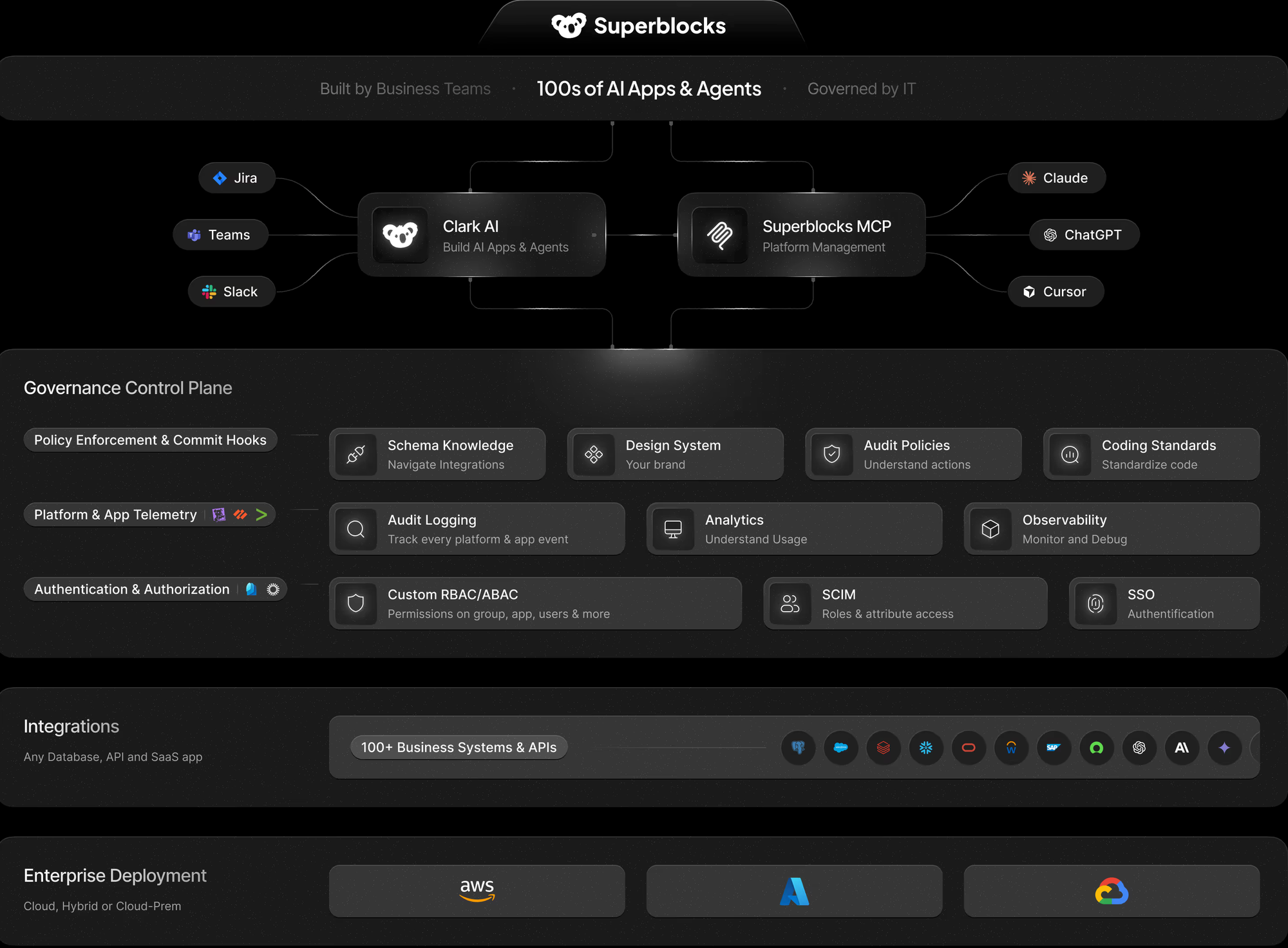
Superblocks launched Superblocks 2.0, an AI-native enterprise app-building platform that lets non-engineers build production-grade internal tools by describing what they need. The relaunch is the company's bet that internal-tools development is the most automatable part of enterprise software. 🧰
Founders
Founded by Brad Menezes (CEO) and Sebastian Cain in 2021. Menezes is a former product leader at Rubrik and Instana; the team has been building internal-tools infrastructure since launch and pivoted toward AI-first generation as foundation models matured.
Product
Superblocks 2.0 lets a user describe an internal tool in plain English (an inventory dashboard, a customer-support escalation queue, a vendor-onboarding workflow) and the platform generates a working app connected to the company's databases, APIs, and identity providers. Generated apps are full code under the hood, so engineers can edit, fork, and deploy them with normal SDLC controls. The platform ships with role-based access, audit logs, and SSO out of the box.
Competition
Retool is the incumbent in low-code internal tools; Bubble, Glide, and Airtable cover the no-code segment; Lovable, Bolt.new, and v0 compete on the AI-app-generation side. Superblocks 2.0 sits in between, targeting enterprises that need real governance but want the speed of AI generation.
Financing 💰
Superblocks has raised reported funding in the tens of millions across early-stage rounds, with investors including Kleiner Perkins. Specific 2026 round details for the 2.0 launch were not disclosed.
Future ⭐⭐⭐
Internal tools are an obvious AI generation target because the patterns are repetitive and the audience is constrained. Superblocks 2.0 wins if enterprise buyers trust AI-generated apps inside their data perimeter and if Retool does not bundle a competitive AI flow into its base product. The category will be loud and crowded for the next year. 🏗️
🤨 Yeah, But...
TechCrunch reported Monday that SpaceX added water access to the AI infrastructure risk factors in its IPO filing. The company warned that drought, competition for local water resources or regulatory limits could constrain data-center cooling capacity and delay expansion.
Our take: Silicon Valley spent two years describing AI as weightless intelligence, and the prospectus has finally asked where the coolant comes from. SpaceX is still selling rockets, satellites and computation that sounds orbital enough to avoid plumbing. Then the filing arrives with drought risk, local water competition and regulatory limits, which is finance's way of saying the cloud has a hose attachment. The romance of frontier AI keeps meeting municipal infrastructure. Somewhere a banker is learning that AGI also needs a permit, a pipe and a county supervisor who answers emails on Tuesdays.
Free AI briefing · Weekdays
The AI stories that matter, sourced and explained.
Join the Morning Briefing. It goes out every weekday at 4:45 a.m. Pacific, with later sends for the East Coast, Berlin and Tokyo.
Free when you sign up: The Paperclip Compendium, our tested guide to running AI agents.
Free. Unsubscribe in one click.

Marcus Schuler
Editor-in-Chief and founder of Implicator.ai. Former ARD correspondent and senior broadcast journalist with 10+ years covering tech. Writes daily briefings on policy and market developments. Based in San Francisco. E-mail: editor@implicator.ai