IMPLICATOR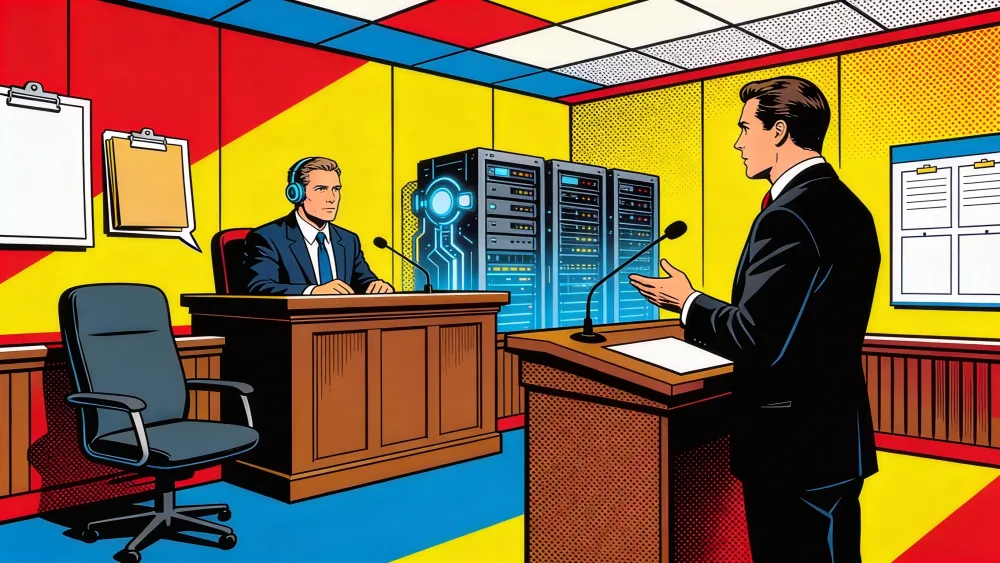
Steven Molo opened Sam Altman's cross-examination Tuesday afternoon in Oakland with a question small enough to fit on a courtroom sketch: "Are you completely trustworthy?" Altman answered, "I believe so." CNBC's reporters watched the exchange become the hook for hours of testimony about a company Musk helped fund with $38 million, far below the $1 billion he once pledged, and now says was stolen from its nonprofit purpose.
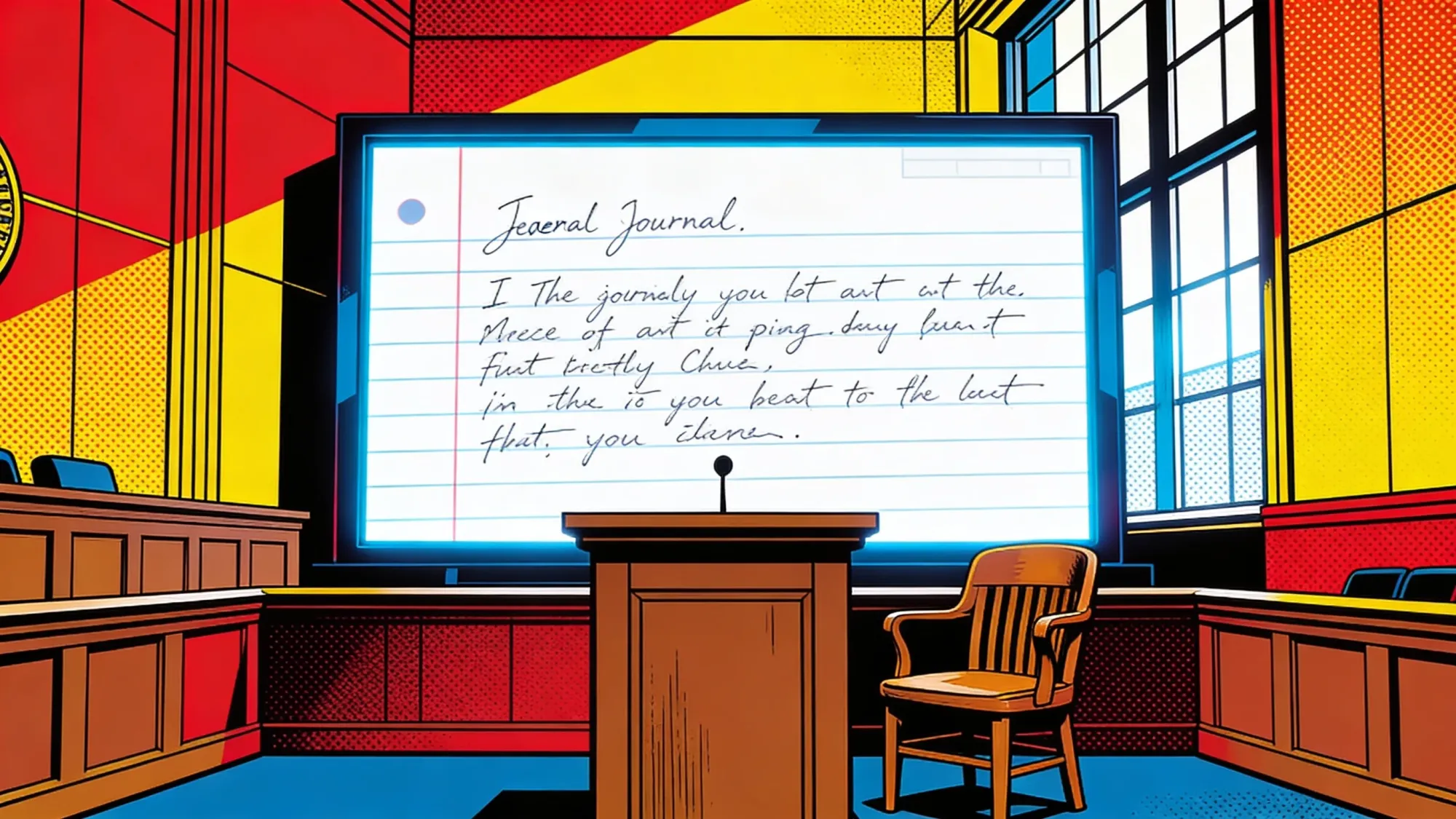
The thesis is plain: Altman's testimony shifted the trial from whether OpenAI betrayed a charity to whether Musk's real objection was losing control of the machine he helped start. That matters because Brockman's journal already made the 2017 fight hard to treat as clean moral history. Altman made it personal. He said the man accusing OpenAI of capture once wanted OpenAI locked to himself.
Key Takeaways
- Altman told jurors Musk wanted control of OpenAI, not only preservation of its nonprofit mission.
- Musk seeks about $150 billion, while Altman says OpenAI's nonprofit now holds more than $200 billion in value.
- The cross-examination made trust, conflicts and control the trial's operating questions.
- Judge Yvonne Gonzalez Rogers keeps final authority over remedies if the advisory jury finds liability.
AI-generated summary, reviewed by an editor. More on our AI guidelines.
The control story got hereditary
Bloomberg reported that Altman told jurors Musk wanted complete control over a proposed for-profit OpenAI entity in 2017, at first saying he would reduce that control later. The founders asked what would happen if Musk died. Altman's recollection was blunt: Musk said maybe control "should pass to my children."
Altman said that answer made him uncomfortable.
Follow The Implicator's AI trial coverage
Strategic AI news from San Francisco. No hype, no "AI will change everything" throat clearing. Just what moved, who won, and why it matters. Daily at 6am PST.
No spam. Unsubscribe anytime.
That sentence matters because Musk's lawsuit depends on a different picture of the same period. Musk says he funded a nonprofit mission and watched Altman, Greg Brockman and Microsoft turn it into a commercial vehicle. Altman told the jury Musk was "quite the opposite" of opposed to a for-profit plan. Deutsche Welle reported that Altman said Musk once floated a 90 percent stake, which later softened but stayed at majority control.
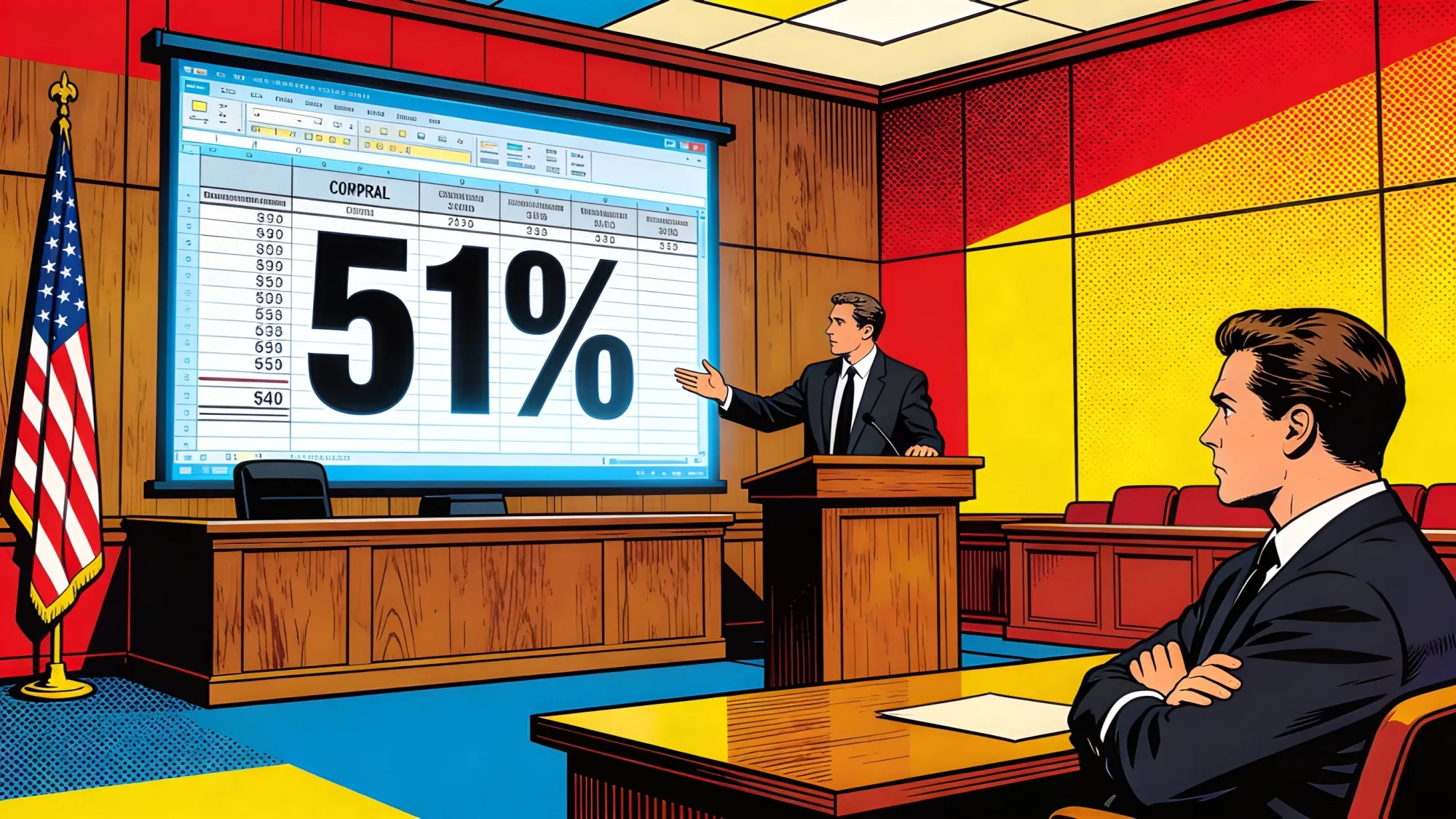
The paired numbers are the case in miniature: $38 million in early Musk support against a demand Altman described as 90 percent control, then $150 billion in requested remedies against Altman's claim that OpenAI's nonprofit now holds more than $200 billion in value.
The nonprofit defense cut both ways
Reuters reported that Altman denied the "steal a charity" framing: "It feels difficult to even wrap my head around that framing," he said. NPR put the same testimony against the remedies Musk wants: disgorgement, unwinding the for-profit structure and removal of Altman and Brockman from leadership.
OpenAI's argument is not that money stayed pure. It is that the mission needed money at a scale a pure nonprofit could not supply. Altman testified that Tesla would have been the wrong home because, in his words, "Tesla needs to serve its customers and sell cars." The line was useful for OpenAI because it recast Musk's alternative as commercial, too.
WIRED reported that Molo pressed him on investments in Helion, Stripe, Reddit and Cerebras, all companies with OpenAI ties or potential ties. Altman said his Helion stake was nearly $2 billion and his Stripe stake was $600 million. In the same testimony, he argued OpenAI's structure had put more than $200 billion into the nonprofit.
No connective tissue needed.
The witness stand made trust operational
The most damaging testimony against Altman did not begin Tuesday. The Guardian had already summarized former OpenAI insiders describing a pattern around honesty, candor and board oversight. Ilya Sutskever testified that he once believed Altman showed a "consistent pattern of lying." Helen Toner described a broader "pattern of behavior."
Altman answered that frame with process. He said he was "completely caught off guard" by the 2023 firing, according to CNBC, and did not get much explanation beyond the board's statement that he had not been consistently candid. He said he was not trying to deceive the board. He also said he had a busy day job and had not followed every moment of the trial.
A small courtroom detail. WIRED noted that Brockman and his wife, Anna, sat in the gallery alongside OpenAI's chief futurist, Joshua Achiam. Musk was not there for the testimony, WIRED reported, with flight records suggesting he was traveling toward Washington before a China trip.
Altman sat for the questions. Musk did not sit for Altman.
What the jury now has to separate
The advisory jury has a narrow liability job, as The Implicator wrote when the case began. The jurors advise; Judge Yvonne Gonzalez Rogers keeps the remedy pen. Axios added the clock Wednesday: closing arguments are expected Thursday. That split matters more after Tuesday because each side now has a simpler story.
Musk can point to a nonprofit that became a for-profit entity AP described as valued at $852 billion, to Brockman's roughly $30 billion stake from earlier testimony, and to former colleagues who attacked Altman's trustworthiness. Altman can point to Musk's own for-profit proposals, his Tesla merger push, his xAI competition and a February 2025 takeover bid by an xAI-led consortium that Bret Taylor said felt "contradictory to the spirit of the lawsuit."
The court now has to separate two claims: OpenAI's structure as a betrayal of Musk's donation, and OpenAI's structure as the thing Musk wanted until he could not control it.
The first question Molo asked was about trust. The answer Altman wanted jurors to remember was about control.
Frequently Asked Questions
What did Sam Altman say about Elon Musk's control of OpenAI?
Altman testified that Musk wanted control of a proposed for-profit OpenAI entity in 2017 and, according to Altman, even raised the idea that control could pass to his children if he died.
Why does the children quote matter?
It cuts against Musk's preferred story that the fight was only about protecting a nonprofit mission. Altman's version turns the same history into a dispute over who would control OpenAI.
What is Musk asking the court to do?
Musk is seeking about $150 billion for OpenAI's nonprofit arm, unwinding of the for-profit structure, disgorgement and removal of Altman and Greg Brockman from leadership roles.
What is OpenAI's defense?
OpenAI argues that Musk knew about the for-profit plan, wanted control himself and is now using the lawsuit to hurt a competitor to xAI.
What happens next in the trial?
Closing arguments are expected Thursday. The advisory jury will weigh liability, while Judge Yvonne Gonzalez Rogers keeps authority over any remedies if liability is found.
AI-generated summary, reviewed by an editor. More on our AI guidelines.

Marcus Schuler
Editor-in-Chief and founder of Implicator.ai. Former ARD correspondent and senior broadcast journalist with 10+ years covering tech. Writes daily briefings on policy and market developments. Based in San Francisco. E-mail: editor@implicator.ai