IMPLICATOR
San Francisco | Monday, May 4, 2026
Nvidia now says China has become a zero-share market for its AI accelerators. That is not an export-control victory lap. It is Washington discovering that blocking the H200 can also clear space for Huawei.
Suno shows the same squeeze in a different market. It has paying users, $300 million in annual recurring revenue, and Warner's permission structure, but Universal, Sony, Deezer, and distributors still decide where the songs can go.
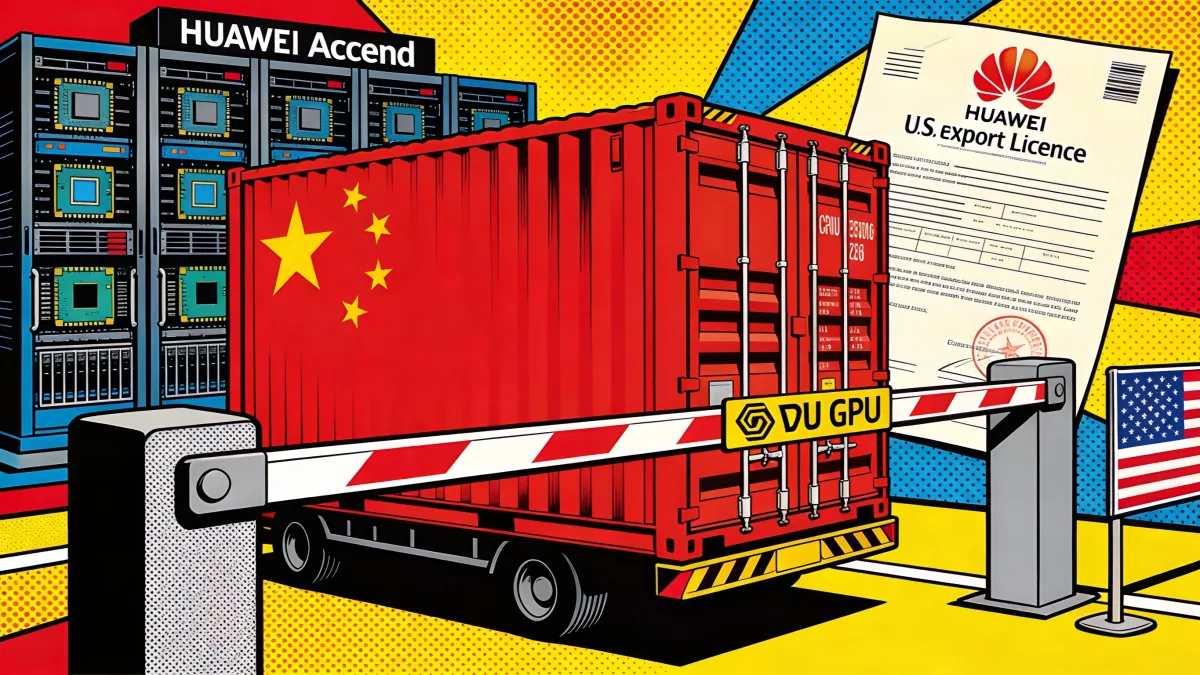
The model scoreboard is moving from benchmark theater to buyer plumbing. Claude leads, Gemini closes, Mistral rises on Workflows, and Grok pays for reliability in public.
Stay curious,
Marcus Schuler
Know someone drowning in AI noise? Forward this briefing. They can subscribe free here.
Nvidia Says China AI Chip Share Has Dropped to Zero
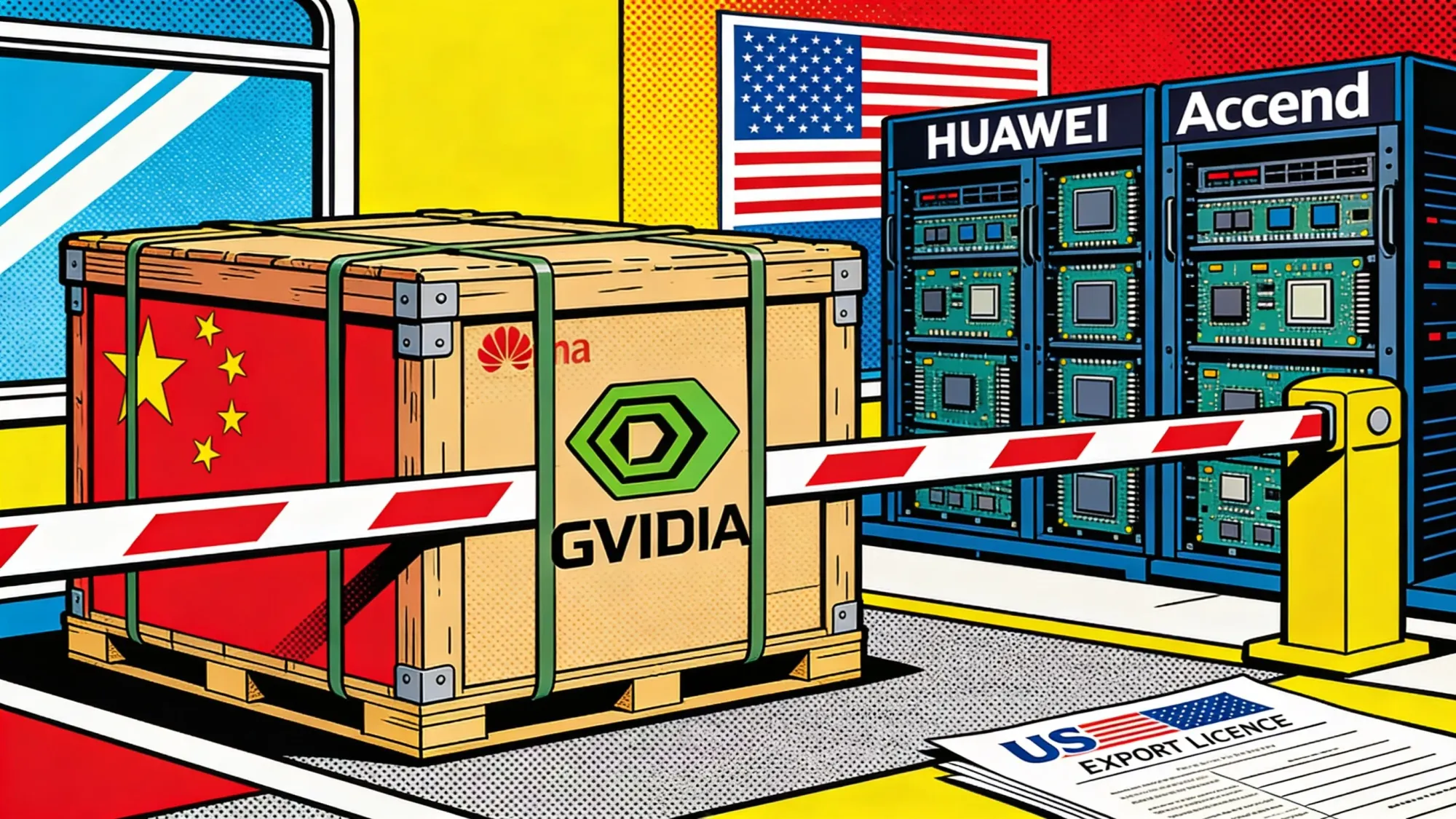
Jensen Huang says Nvidia's direct China AI accelerator share has fallen to zero. That is a policy result with an uncomfortable second line: Huawei gets the opening.
Huang told the Special Competitive Studies Project that U.S. export policy has "already largely backfired." The H200 was supposed to reopen a narrow lane, but Commerce licenses, Chinese import limits, and domestic-chip mandates have kept shipments stuck.
The direct market loss lands after Washington turned China chip licenses into a revenue toll. Commerce Secretary Howard Lutnick told senators that H200 chips had not been sold to Chinese companies, while Sen. Chris Coons is now asking for license and shipment counts.
The replacement demand is not theoretical. Huawei expects AI chip revenue to rise to $12 billion, and Chinese buyers are ordering Ascend chips while Nvidia waits on both governments.
Why This Matters:
- Export controls can deny Nvidia revenue while still accelerating China's domestic hardware stack.
- Congress now needs shipment data, not speeches, before the next U.S.-China talks.
Reality Check
What's confirmed: Huang said Nvidia's direct China accelerator share has fallen to zero, and Lutnick said H200 chips had not been sold to Chinese companies.
What's implied (not proven): The curbs may be shifting Chinese demand toward Huawei faster than Washington expected.
What could go wrong: Huawei supply may still struggle with yield, software, and high-end performance gaps.
What to watch next: Lutnick's response to Coons on H200 licenses, shipments, and planned approvals.
The One Number
44% - The share of new daily music uploads to Deezer that are now AI-generated. That is not listener demand; it is supply flooding the gate. The next music fight is less about creativity than filtering, labeling, and royalty fraud.
Source: Deezer Newsroom, April 20, 2026
Suno Turns Paying Users Into a Label Test
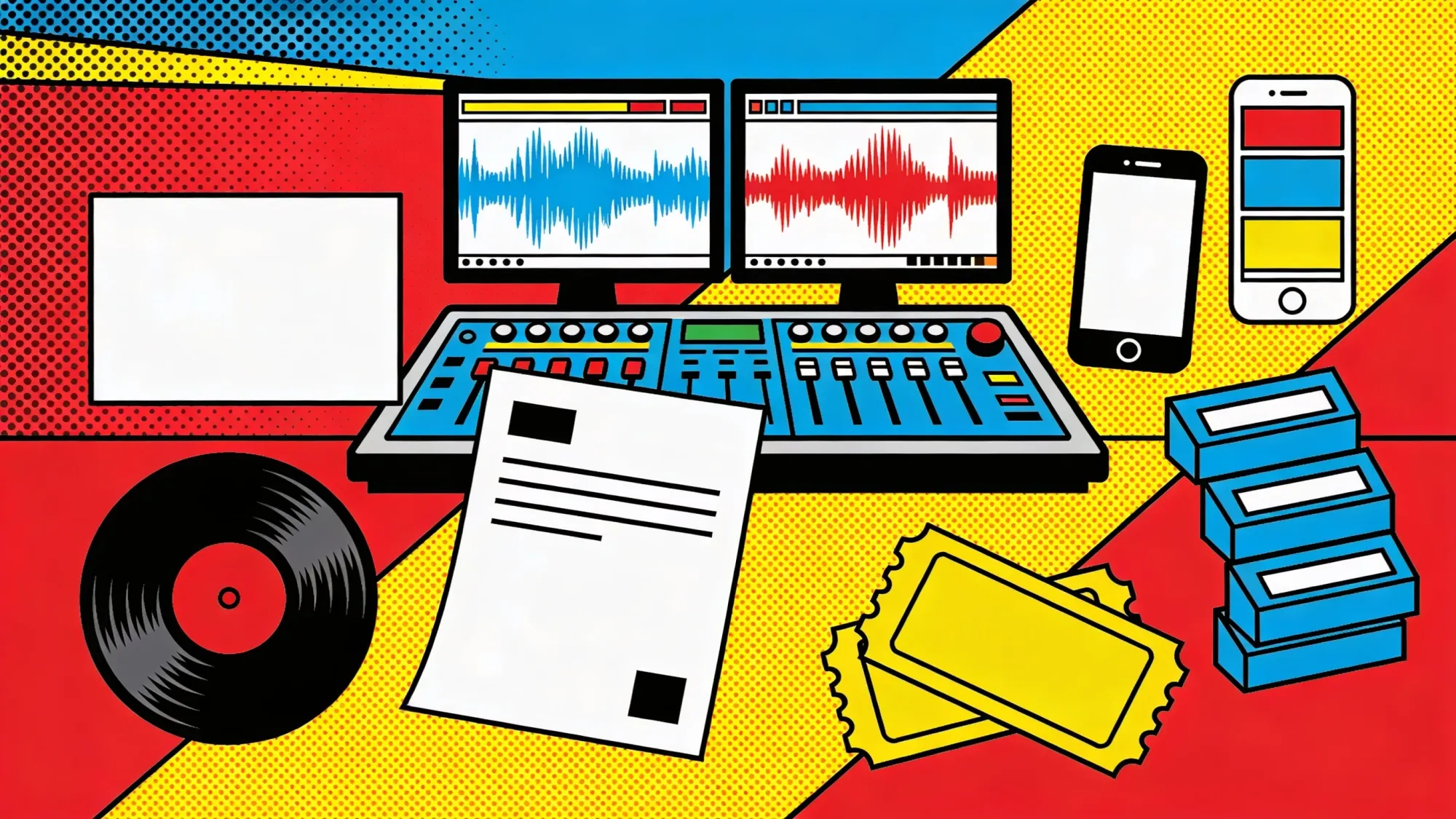
Suno has paying users and a $300 million annual recurring revenue story. The harder problem starts when the song leaves the app.
More than 100 million people have used Suno, and users generate 7 million songs per day. That proves creation demand. It does not prove distribution trust.
Warner's settlement gives Suno a 2026 template: licensed models, artist opt-ins, and paid-only audio downloads once the new systems launch. Universal and Sony have not accepted the same terms. Believe and TuneCore have said they would block tracks made on unlicensed AI platforms.
That is why Deezer's 44% upload number matters. Implicator covered the AI music flood as a fraud problem before it became a Suno business test. Suno can sell creation. The industry still controls export.
Why This Matters:
- Suno's subscription proof does not settle whether platforms will trust the files.
- Warner's 2026 rollout becomes the template Universal, Sony, and distributors either adopt or fight.
AI Image of the Day

Prompt: A close-up of a face adorned with detailed black and blue patterns. The left side of the face is predominantly yellow, with symbols and doodles, while the right side is dark, featuring mechanical elements. The eye on the left is a striking shade of yellow, contrasting sharply with the surrounding patterns. The face is partially covered by a hooded garment, cinematic_1940s cinematic_octane.
Mistral Climbs as Grok Trips on Reliability

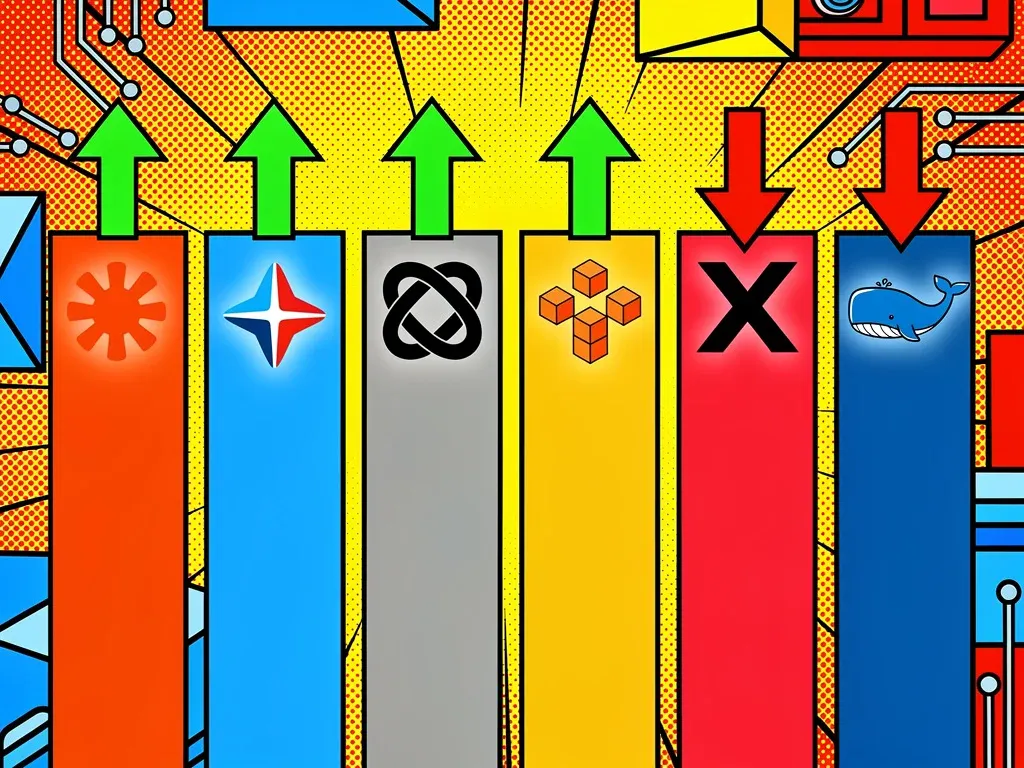
The LLM Meter is becoming less about model mystique and more about enterprise plumbing. Claude still leads, Gemini closes, Mistral moves, and Grok stumbles.
The May 3 scorecard ranked Claude first at 87, one point ahead of Gemini at 86 after Google took the classified Pentagon slot Anthropic declined. ChatGPT rose after OpenAI models reached Amazon Bedrock.
Mistral posted the week's largest gain, up three points to 73 after launching Workflows with ASML, La Banque Postale, and other European customers. The Temporal-based system puts Mistral into orchestration, not just chat.
Grok fell three points after a multi-day outage and Musk's testimony that xAI had partly used OpenAI model distillation. Enterprise buyers do not only buy benchmark scores. They buy uptime, attestation, and fewer surprises.
Why This Matters:
- Mistral's Workflows launch gives European buyers a sovereign-AI product argument beyond model weights.
- Grok's outage shows reliability can move procurement standing faster than a benchmark claim.
🧰 AI Toolbox
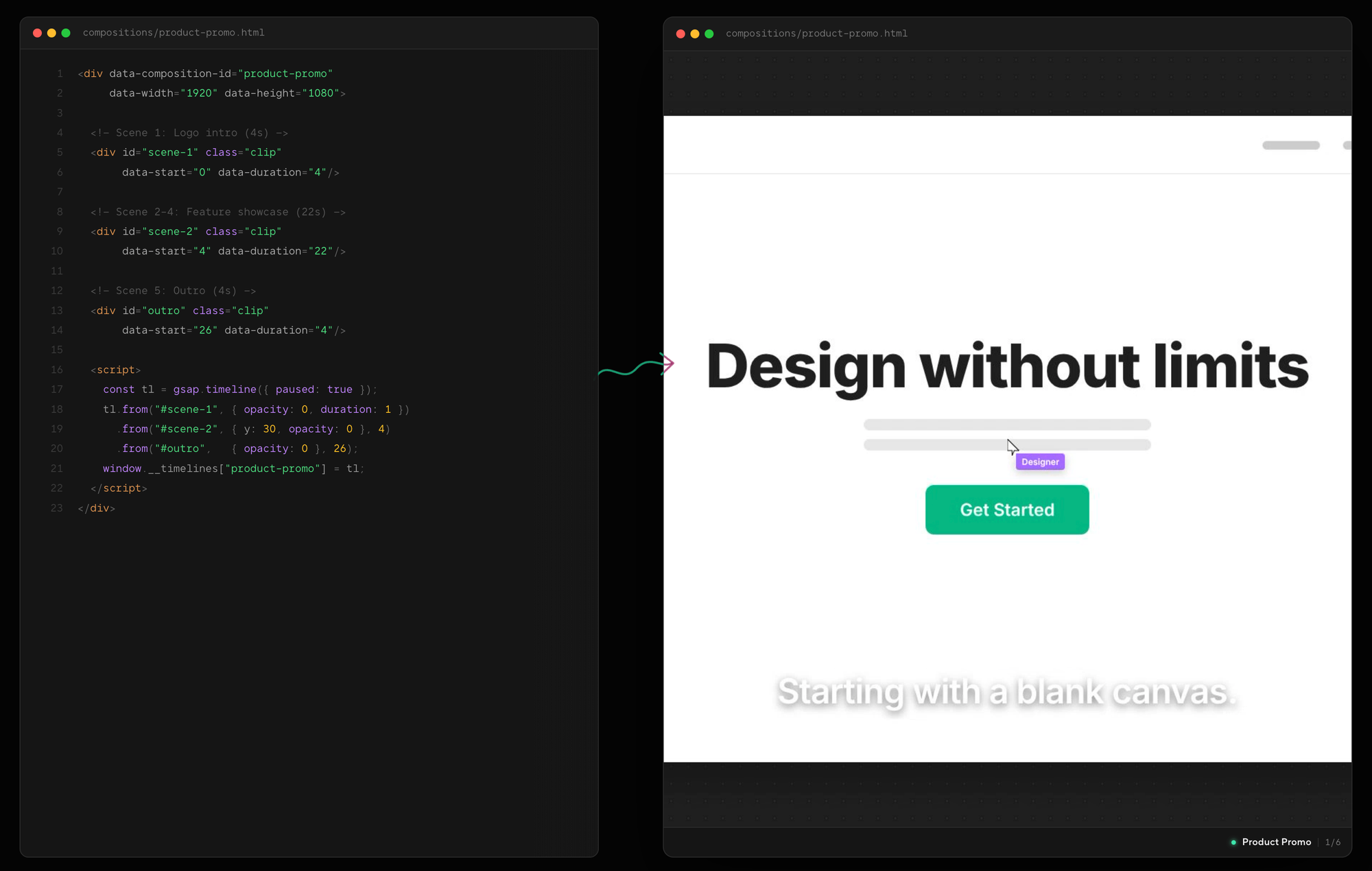
How to Turn HTML into Video with an AI Agent Using HyperFrames
HyperFrames is an open-source video rendering framework from HeyGen that lets AI agents compose videos by writing HTML, CSS, and JavaScript, then renders them to MP4, MOV, or WebM. Because LLMs already know HTML and CSS, an agent can vibe-code a full animated composition instead of fighting a timeline editor. Installs as a Claude Code skill with one command, runs deterministically so the same input always produces the same output. Free and open-source on GitHub.
Tutorial:
- Install HyperFrames as a Claude Code skill with
npx hyperframes initin your project directory - Give Claude Code a brief: "Create a 30-second explainer video intro with our logo, a tagline reveal, and a CTA button"
- Watch Claude write HTML with
data-hyperframesattributes that define the timeline, elements, and animations - Run
hyperframes renderto execute the HTML in a headless browser and capture frames at your target frame rate - Preview the MP4 output in the local dev server and iterate by asking Claude to tweak timing, colors, or motion
- Re-render with deterministic output, same input HTML produces identical frames every time, good for CI pipelines
- Chain HyperFrames with another agent step, such as TTS voiceover or a HeyGen avatar, to assemble a complete video from a script without manual editing
URL: HyperFrames
What To Watch Next (24-72 hours)
|
||
|
||
|
💡 5-Minute Skill
Turn Rough Notes Into Study Material
Paste rough notes. Get a study sheet back.
Your raw input:
Topic: transformer attention. Notes: queries, keys, values; softmax weights; multi-head = different views; positional encoding because no recurrence.
The prompt:
Act as an expert study assistant. I'll give you rough notes on [topic]. Transform them into polished study material by: fixing grammar and clarity; organizing content under logical headings with bullet points; filling gaps and expanding incomplete ideas accurately; adding examples or analogies where they aid understanding; ending each section with key takeaways. Output should be accurate, easy to review, and ready to learn from.
The output:
Attention in transformers: Queries ask what a token needs; keys describe what other tokens offer; values carry the information forward. Multi-head attention is like several highlighters reading the same page. Key takeaway: attention lets each token choose relevant context.
Why this works:
It gives the model a role, structure, and quality bar, so the result becomes learnable instead of merely cleaned up.
What to use:
Claude. Ask it to flag uncertain gap-fills.
📖 AI Alphabet
|
V
|
📖 AI Alphabet Vector Database A vector database stores embeddings so software can quickly find similar items. It is commonly used in AI search, recommendation systems, and RAG pipelines. |
AI & Tech News
Amazon Opens Logistics Network to Outside Businesses
Amazon launched Supply Chain Services, letting outside companies use its fulfillment centers, transport fleets, and logistics software for raw materials and finished goods. The move turns Amazon's retail backbone into a standalone enterprise service just as manufacturers look for faster alternatives to traditional freight networks.
Anthropic Nears $1.5 Billion Wall Street AI Venture
Anthropic is closing a $1.5 billion joint venture with Blackstone, Hellman & Friedman, Goldman Sachs, and other Wall Street firms to build tools for PE-backed companies. The structure puts Claude directly into portfolio-company operations, not only bank chatbots and analyst copilots.
South Korea Tests AI Companions for Seniors
Naver-backed systems such as Talking Buddy and SuperBrain are being used in South Korea to check on elderly residents, spot distress cues, and support memory training. The country is turning AI elder care from a gadget story into a labor-shortage response.
Cerebras Targets $26.6 Billion IPO Valuation
Cerebras is preparing a U.S. IPO that could value the AI chipmaker at $26.6 billion, with plans to raise $3.5 billion. The deal gives public-market investors another Nvidia-alternative test while export controls and compute demand keep chip valuations hot.
Chinese AI Microdramas Head Toward $3 Billion Market
Chinese state media expects AI-generated microdramas to reach more than $3 billion in revenue by 2026, using tools such as Seedance 2.0 to lower production costs. The backlash is already visible among actors and directors who see lower budgets, faster output, and fewer humans in the pipeline.
SoftBank Targets Lithium-Free Data Center Batteries
SoftBank plans lithium- and cobalt-free batteries for data centers in Japan by fiscal 2027. The project is both an AI power play and a supply-chain hedge against dependence on Chinese critical minerals.
EU's €20 Billion Compute Plan Draws Fire
Critics are challenging the EU's €20 billion sovereign compute plan, arguing Brussels has not proved demand for that much AI data-center capacity. The awkward part is GPU dependence: a sovereignty project still leans heavily on Nvidia hardware.
Instructure Discloses Data Breach Across 9,000 Institutions
Education technology provider Instructure confirmed a major data breach, with ShinyHunters claiming 3.65 terabytes of data tied to about 9,000 institutions. Names, email addresses, student IDs, and user messages put school software back in the security spotlight.
Banks Try to Offload Data Center Debt
Global lenders are exploring private deals to sell data-center debt, including Oracle-linked loans reportedly offered at a discount. The financing side of the AI boom is starting to look less like a sure thing and more like risk management.
Linkerbot Targets $6 Billion Valuation for Robot Hands
China's Linkerbot is targeting a $6 billion valuation after raising its Series B+ at $3 billion. The company controls more than 80% of the dexterous robotic-hand market, a small hardware niche becoming central to humanoid robotics.
🚀 AI Profiles: The Companies Defining Tomorrow
Suno turns text prompts, lyrics, and voice notes into full songs, then asks the music business to accept the invoice after the party. More than 100 million people have used it, users generate 7 million songs per day, and the Cambridge company now claims 2 million paying subscribers and $300 million in ARR. 🎧
Founders
Founded in February 2022 by Mikey Shulman, Georg Kucsko, Martin Camacho and Keenan Freyberg after the four worked on audio models at Kensho. Shulman is a Columbia and Harvard physicist with a lifelong music habit; the origin story is less rock band than machine-learning lab with instruments in the basement.
Product
Suno generates vocals, lyrics, instrumentals and arrangements from short prompts, uploaded lyrics or rough voice memos. Paid plans run $8 to $24 per month and include downloads plus commercial licenses. Studio adds an audio workstation for editing and layering tracks, moving Suno from toy song machine toward production tool.
Competition
Udio is the direct generative-music rival. Google bought ProducerAI and put Lyria 3 into Gemini. Tougher opponents: Universal, Sony, Spotify and every artist who thinks machine-made songs dilute the royalty pool. Warner settled and partnered; Universal and Sony remain the wall.
Financing 💰
Suno has raised $375 million from Menlo Ventures, Lightspeed Venture Partners, Matrix and others, with a $2.45 billion valuation in November. Forbes estimates 2025 revenue at about $150 million. Source: Forbes, April 30, 2026.
Future ⭐⭐⭐
Consumer demand is not theoretical. Legal permission is. If Suno turns Warner-style licensing into an industry template, it becomes the Adobe of instant music. If courts or platforms cap distribution, 7 million songs a day starts to look less like product-market fit and more like liability at scale. 🎶
🤨 Yeah, But...
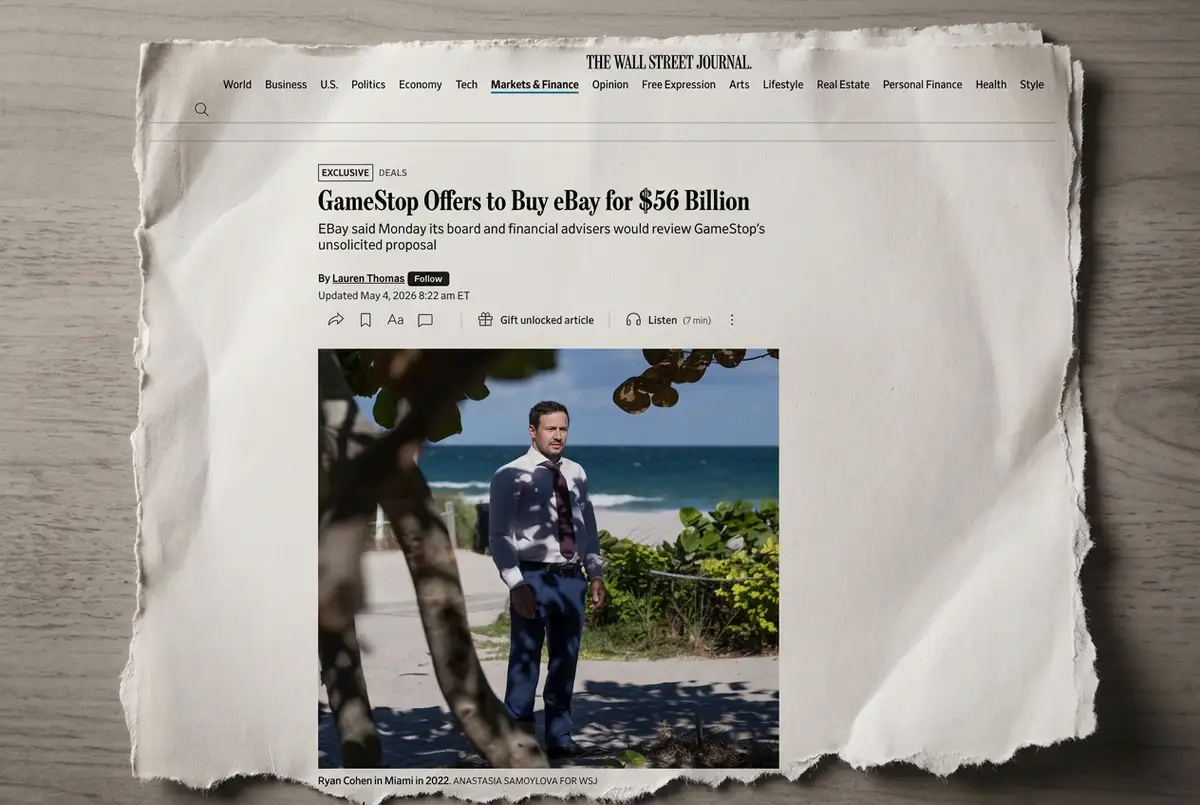
GameStop CEO Ryan Cohen told The Wall Street Journal he is making an unsolicited $56 billion offer to buy eBay, at $125 a share in cash and stock. GameStop has built a roughly 5% stake, has a $20 billion debt-financing commitment from TD Bank, and wants to turn eBay into a larger Amazon competitor. GameStop is valued around $12 billion; eBay was valued around $46 billion before the report.
Our take:
Someone finally looked at eBay and saw not nostalgia but trapped infrastructure. The guts are real. The math is less romantic. A $12 billion retailer wants to buy a $46 billion marketplace with $20 billion of bank debt, $9 billion in cash, and the meme-stock afterglow as strategic plan.
eBay is outdated, boring, and too expensive, which is exactly why it still throws off the kind of marketplace value GameStop no longer has. Cohen's pitch is that stores can authenticate collectibles and eBay can become Amazon. Maybe. But Amazon became Amazon by building logistics. This plan starts by buying the yard sale.

Marcus Schuler
Editor-in-Chief and founder of Implicator.ai. Former ARD correspondent and senior broadcast journalist with 10+ years covering tech. Writes daily briefings on policy and market developments. Based in San Francisco. E-mail: editor@implicator.ai